Loquat
Eriobotrya japonica
- Energy
- 47kcal
- Native
- —
- Top Producer
- UZB
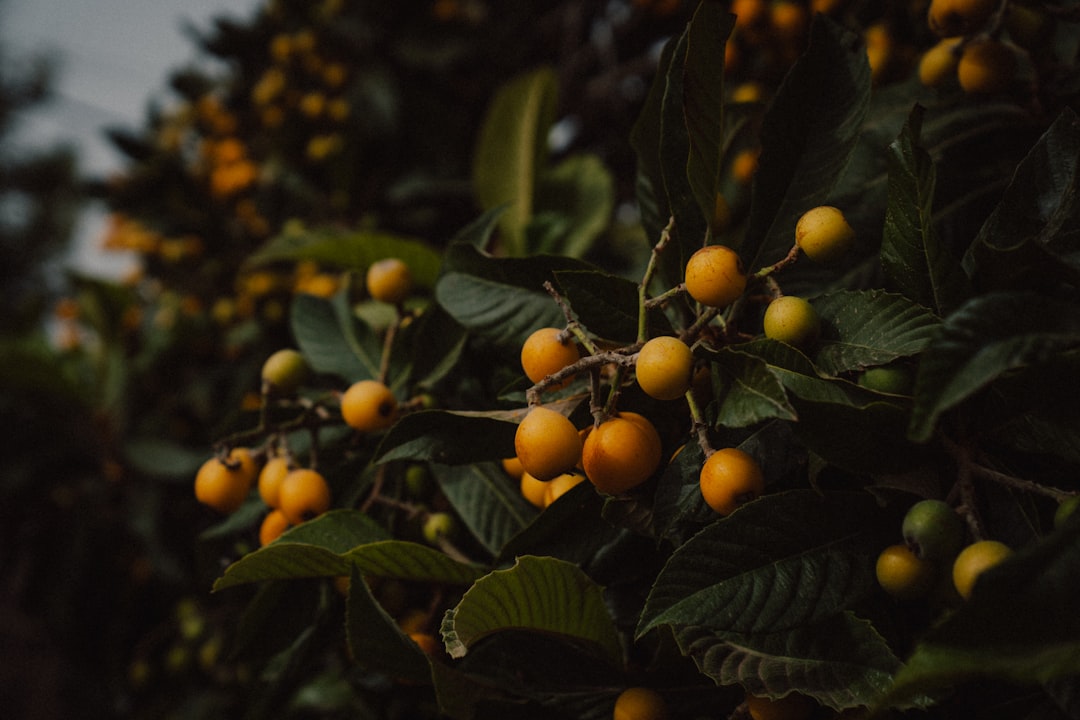
Photo: Steffen Schubert · Unsplash License
Where it comes from
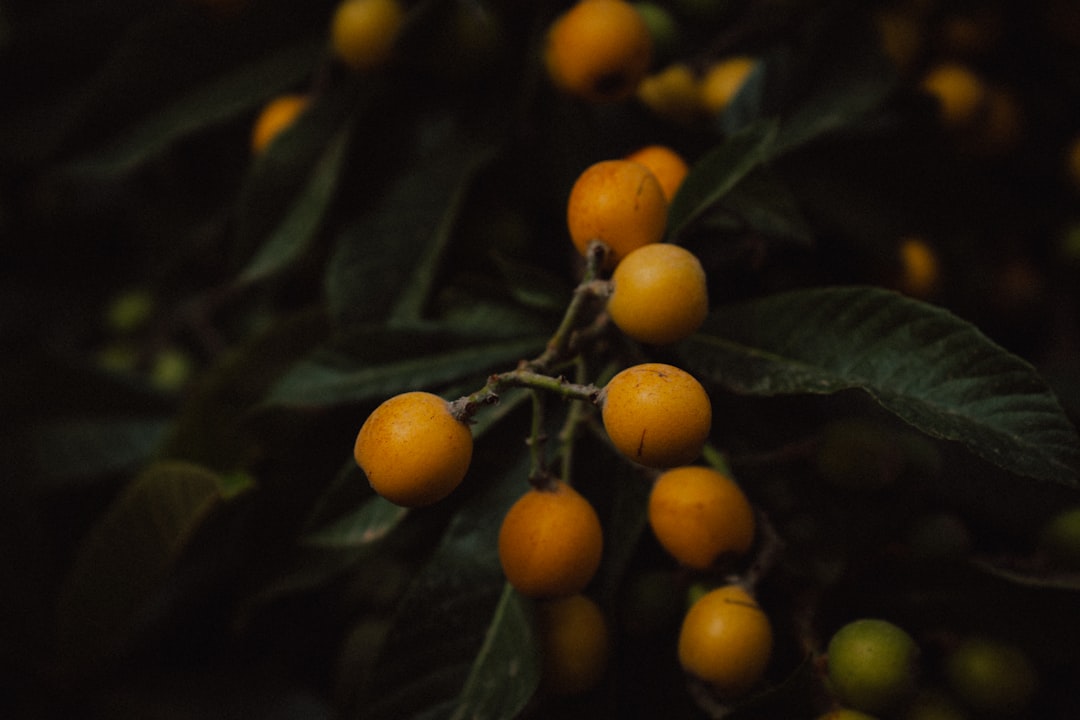
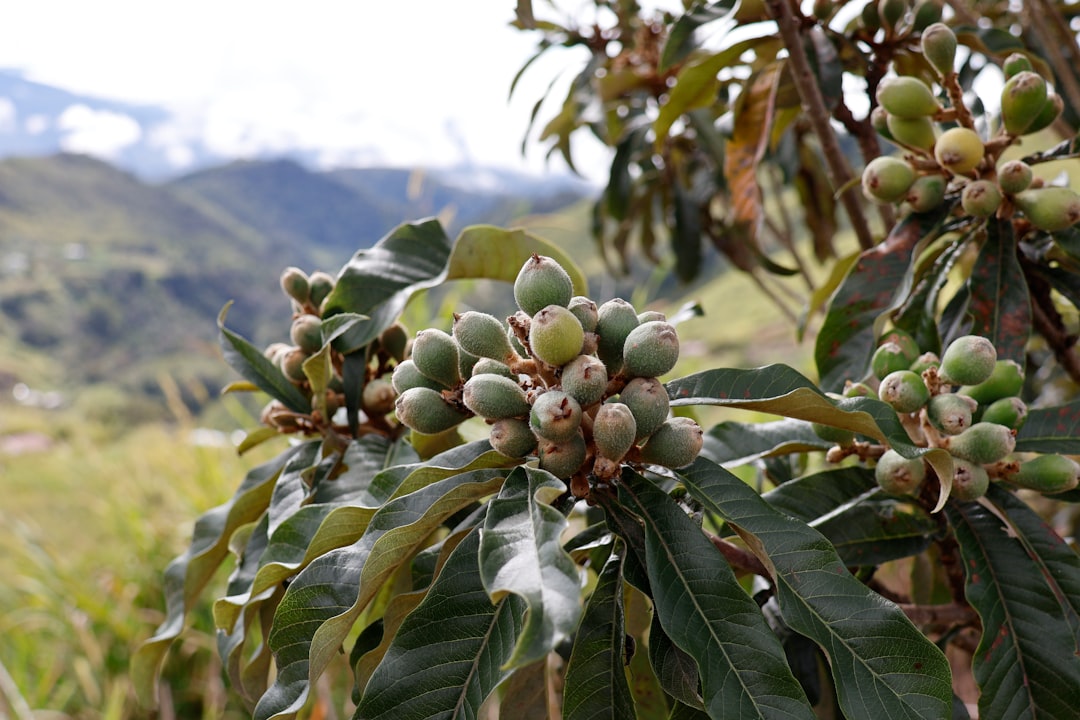
The loquat is a large evergreen shrub or tree grown commercially for its orange coloured fruits. It is also cultivated as an ornamental plant.
Where it grows
Note · FAO 'Other pome fruits'
Source: FAO STAT — Crops and Livestock Products, 2024
Things worth knowing
- 01
The loquat, scientifically known as Eriobotrya japonica, is a popular fruit belonging to the Rosaceae family, which also includes apples and pears.
- 02
While its exact native region remains a mystery, this fruit is now commercially cultivated and enjoyed worldwide.
- 03
Loquats are a type of pome fruit, characterized by their fleshy structure surrounding a core with seeds.
- 04
This versatile plant is not only grown for its delicious fruit but also as an attractive ornamental shrub or tree.
- 05
Uzbekistan emerged as the top global producer of loquats in 2024, contributing significantly to the world's production of this unique fruit.
Health & nutrition
- Loquats are a source of dietary fiber, which may support healthy digestion.
- These fruits provide a modest amount of Vitamin C, an essential nutrient for immune function.
- The potassium content in loquats may help in maintaining fluid balance in the body.
- With only 47 kcal per 100g, loquats can be a satisfying, lower-calorie snack option.
- The fiber in loquats may contribute to feelings of fullness, aiding in appetite management.
Informational only · not medical advice
Culinary uses
Loquats are enjoyed fresh, their sweet and slightly tart flavor making them a delightful snack. They are also commonly used in jams, jellies, and preserves, capturing their unique taste year-round. In some regions, loquats are incorporated into desserts like pies and crumbles, or even used to make refreshing wines and liqueurs.