Apricot
Prunus armeniaca
- Energy
- —
- Native
- —
- Top Producer
- TUR
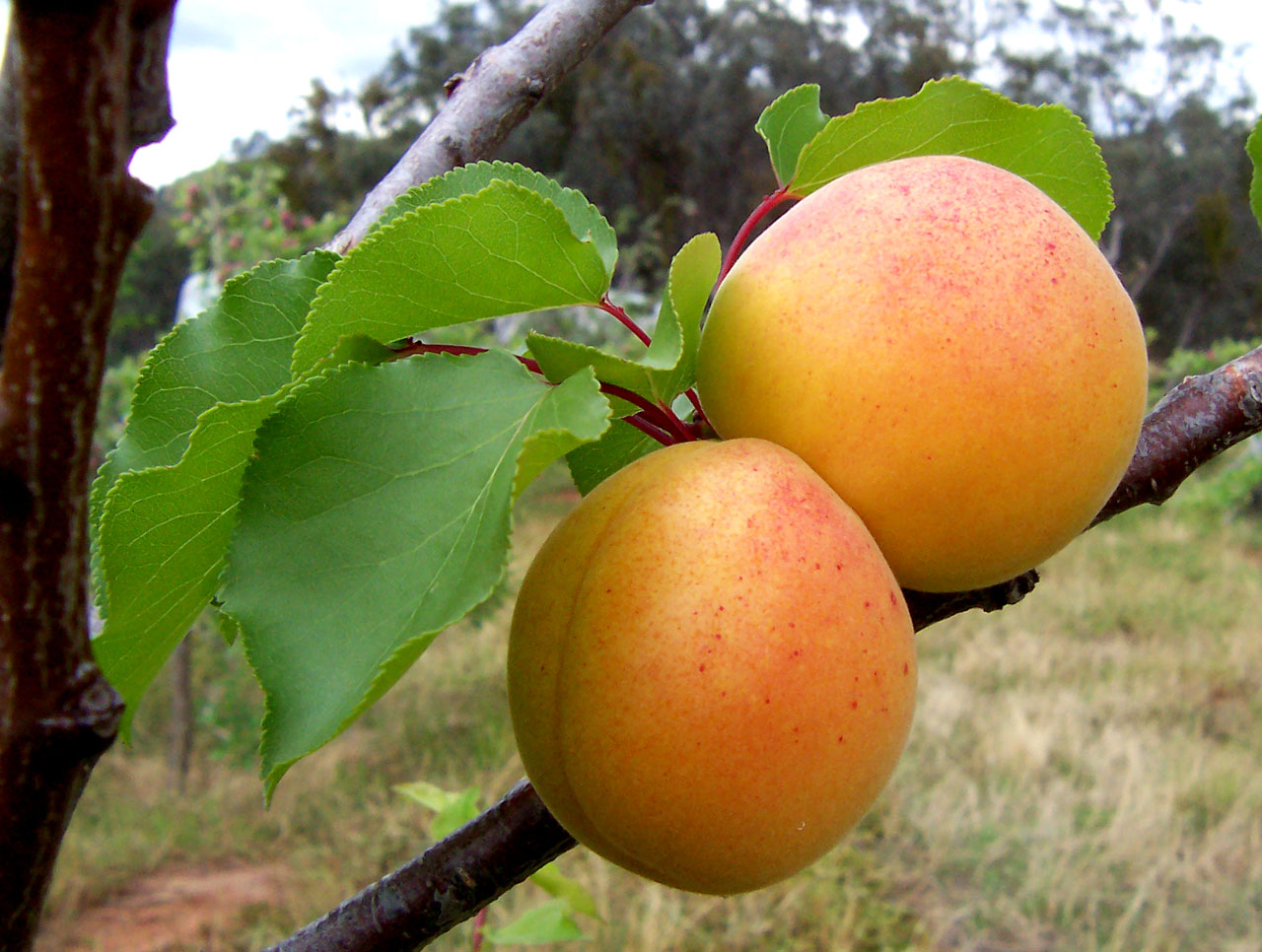
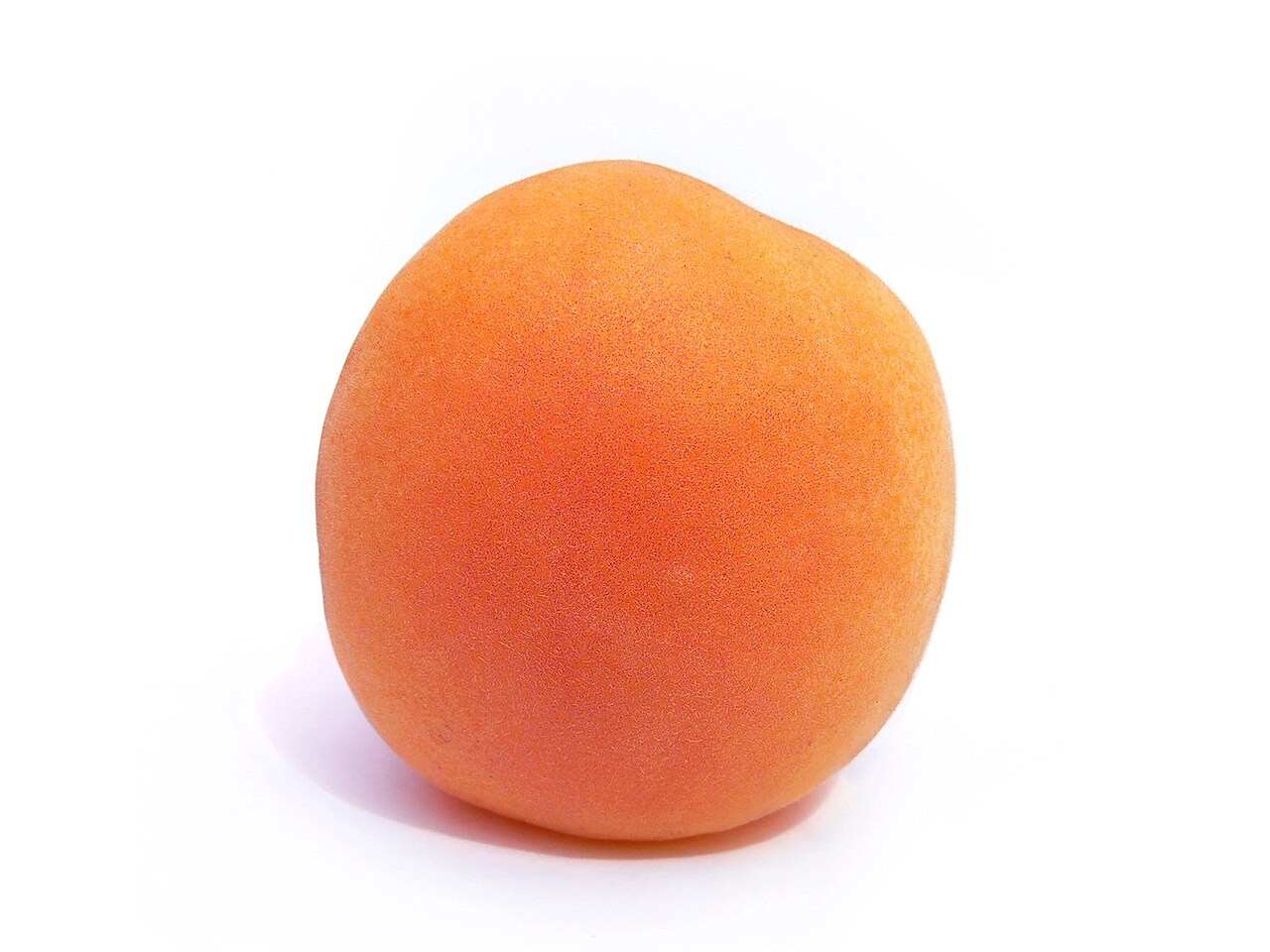
Photo: Fir0002 · CC BY-SA 3.0
Where it comes from
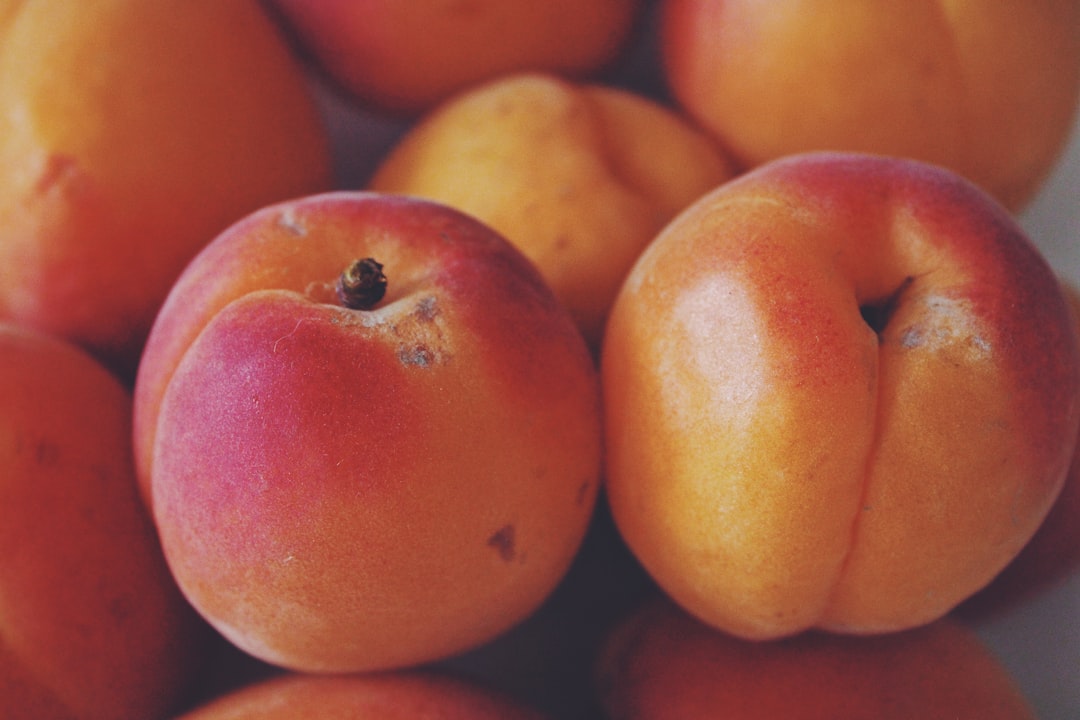
An apricot is a fruit, or the tree that bears the fruit, of several species in the genus Prunus. Usually an apricot is from the species Prunus armeniaca, but the fruits of the other species in Prunus sect. Armeniaca are also called apricots. In 2023, world production of apricots was 3.7 million tonnes, led by Turkey with 20% of the total.
Where it grows
Source: FAO STAT — Crops and Livestock Products, 2024
Things worth knowing
- 01
The apricot, scientifically known as Prunus armeniaca, is a stone fruit belonging to the Rosaceae family.
- 02
While its exact native region remains unknown, the apricot is cultivated globally for its delicious fruit.
- 03
In 2023, the world produced an impressive 3.7 million tonnes of apricots.
- 04
Turkey emerged as the top producer in 2024, contributing a significant portion to the global harvest.
- 05
The apricot fruit, or the tree that bears it, can originate from various species within the Prunus genus.
Health & nutrition
- Apricots are a source of dietary fiber, which may support digestive health.
- This stone fruit provides potassium, an essential mineral that may help maintain healthy blood pressure levels.
- Apricots contain Vitamin C, an antioxidant that may contribute to immune system function.
- The fiber content in apricots can contribute to feelings of fullness, potentially aiding in weight management.
- Consuming apricots as part of a balanced diet may offer a variety of nutritional benefits.
Informational only · not medical advice
Culinary uses
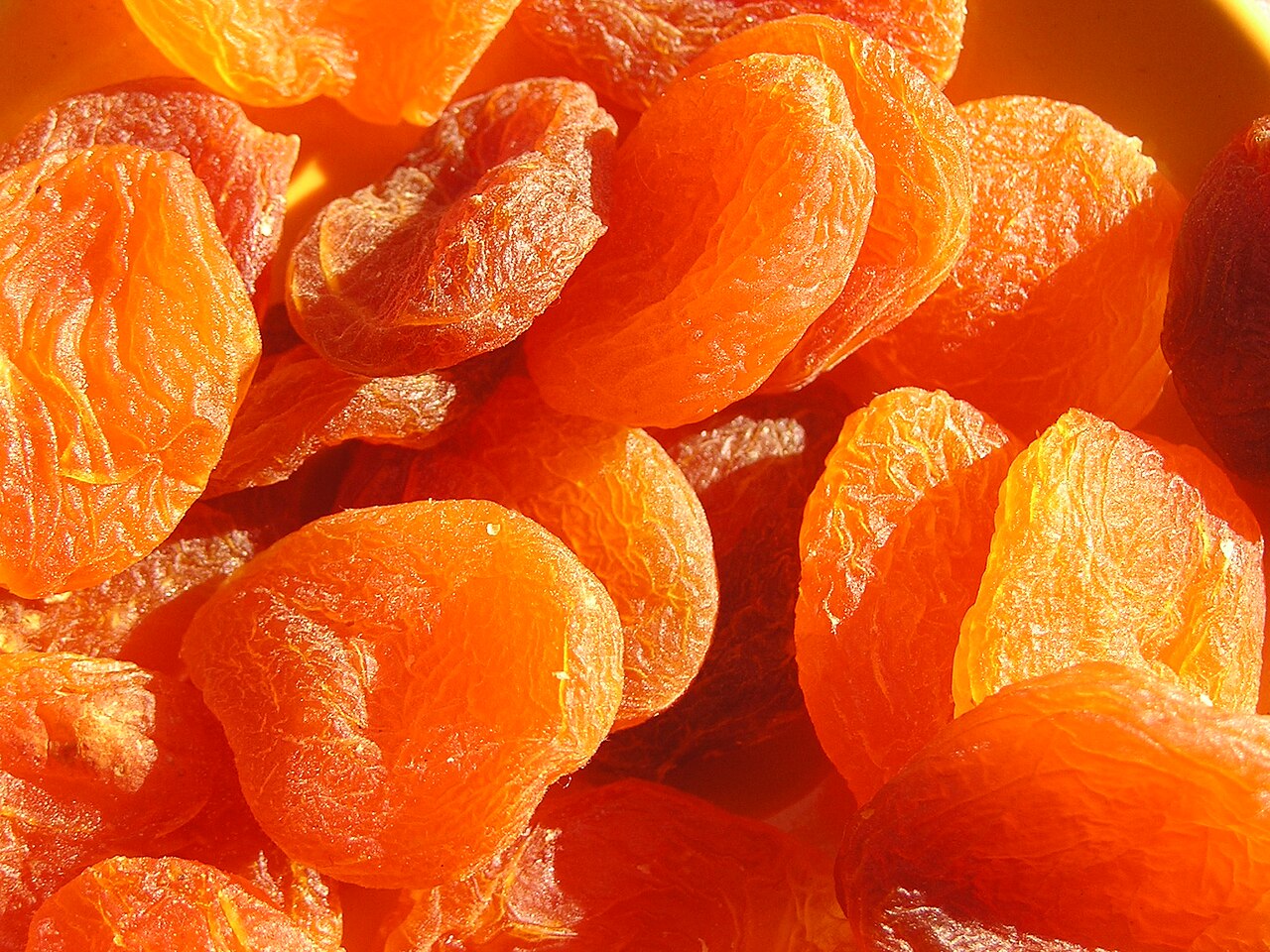
Apricots are enjoyed worldwide in numerous culinary applications, both fresh and dried. They are a popular ingredient in jams, preserves, and baked goods like tarts and cakes. In many Middle Eastern and Central Asian cuisines, dried apricots are a key component of savory stews and pilafs, adding a touch of sweetness and tang.