Sour Cherry
Prunus cerasus
- Energy
- —
- Native
- —
- Top Producer
- RUS
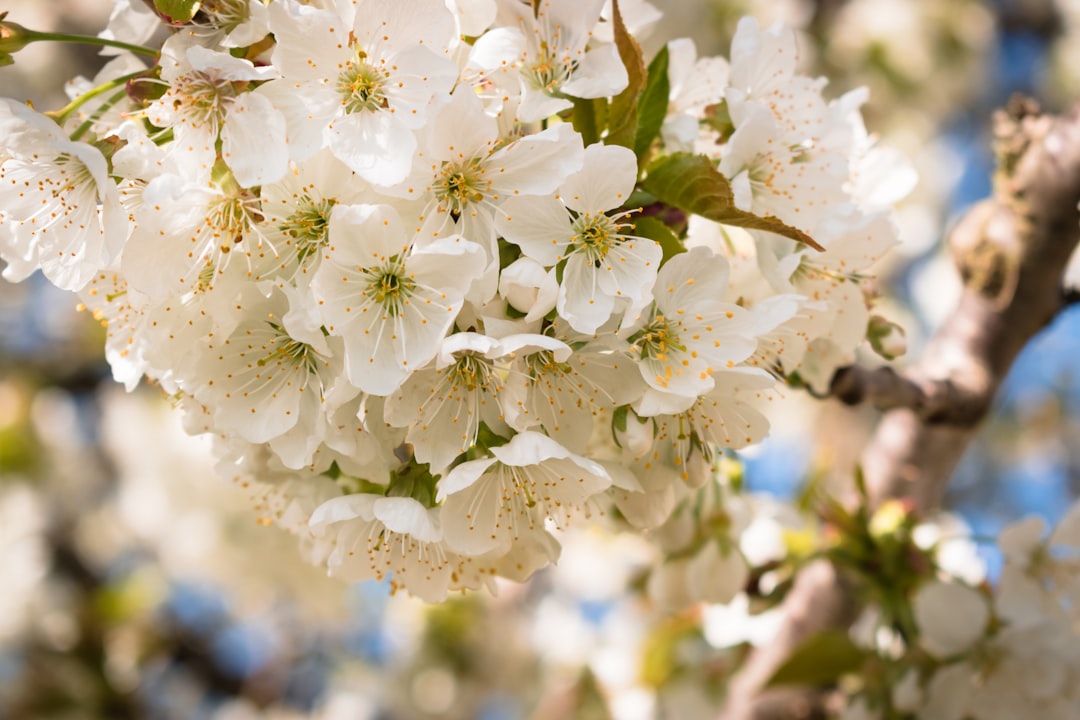
Photo: Nikolett Emmert · Unsplash License
Where it comes from
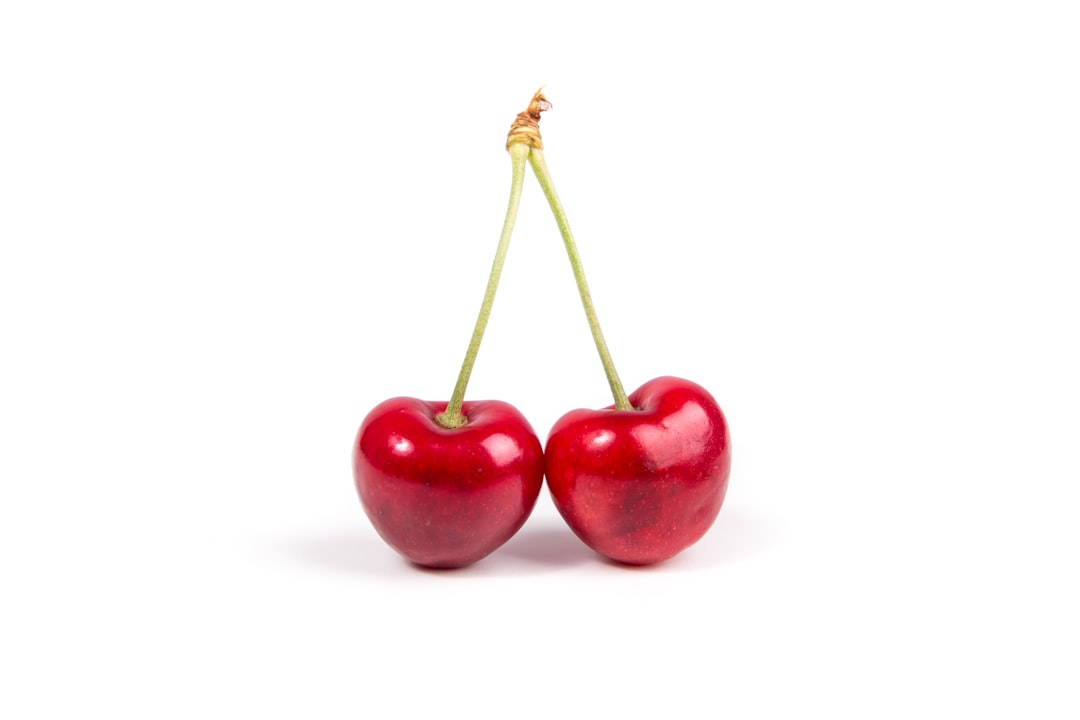
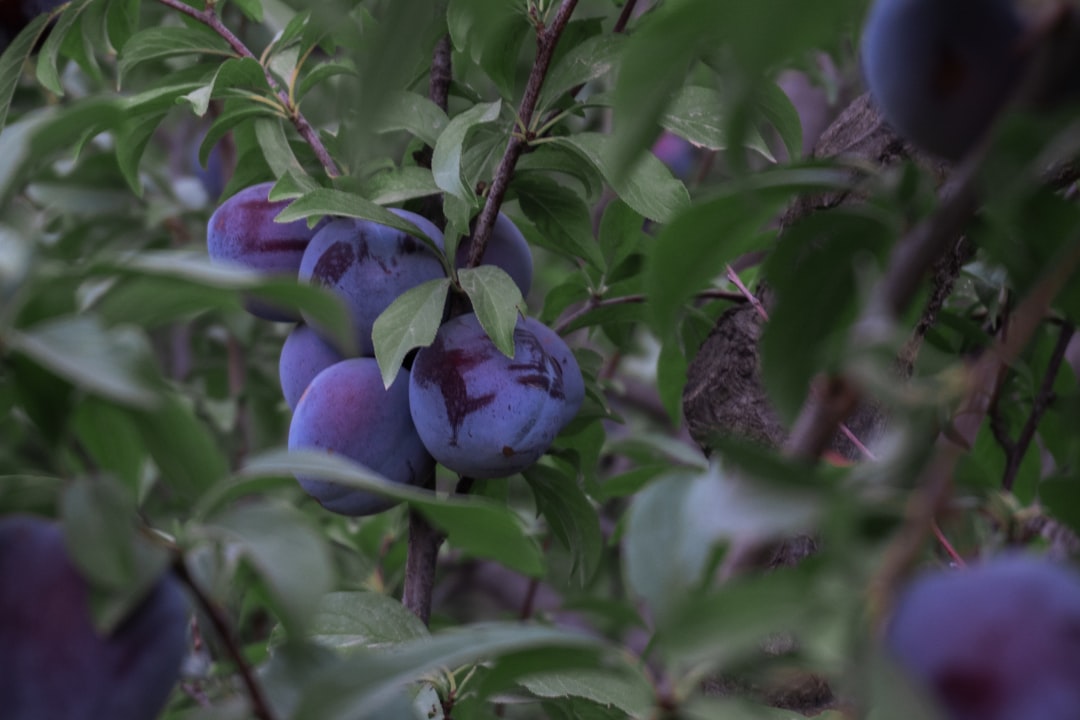
Prunus cerasus is an Old World species of Prunus in the subgenus Cerasus (cherries). It has two main groups of cultivars: the dark-red Morello cherry and the lighter-red Amarelle cherry. The sour pulp is edible.
Where it grows
Source: FAO STAT — Crops and Livestock Products, 2024
Things worth knowing
- 01
The sour cherry, scientifically known as Prunus cerasus, belongs to the Rosaceae family, a large group that includes roses and apples.
- 02
While its exact native region remains unknown, this stone fruit is an ancient species originating from the Old World.
- 03
Sour cherries are broadly categorized into two main cultivar groups: the deep red Morello and the brighter red Amarelle.
- 04
The world produces approximately 1.5 million tonnes of sour cherries annually, with Russia being the top producer.
- 05
Beyond their tart flavor, sour cherries contain a notable amount of vitamin C and potassium in their edible pulp.
Health & nutrition
- Sour cherries are a source of vitamin C, which may support a healthy immune system.
- The potassium content in sour cherries may help contribute to maintaining normal blood pressure levels.
- Rich in antioxidants, sour cherries may help combat oxidative stress within the body.
- Consuming sour cherries could potentially aid in reducing inflammation due to their natural compounds.
- The fiber found in sour cherries may support digestive health and regularity.
Informational only · not medical advice
Culinary uses
The tart pulp of the sour cherry is edible and widely used in global cuisine. It is particularly favored in pies, tarts, jams, and preserves, where its acidity balances sweetness. In some regions, sour cherries are also fermented into brandies or liqueurs, or incorporated into savory dishes to add a unique tangy note.