Peach
Prunus persica
- Energy
- 42kcal
- Native
- —
- Top Producer
- CHN
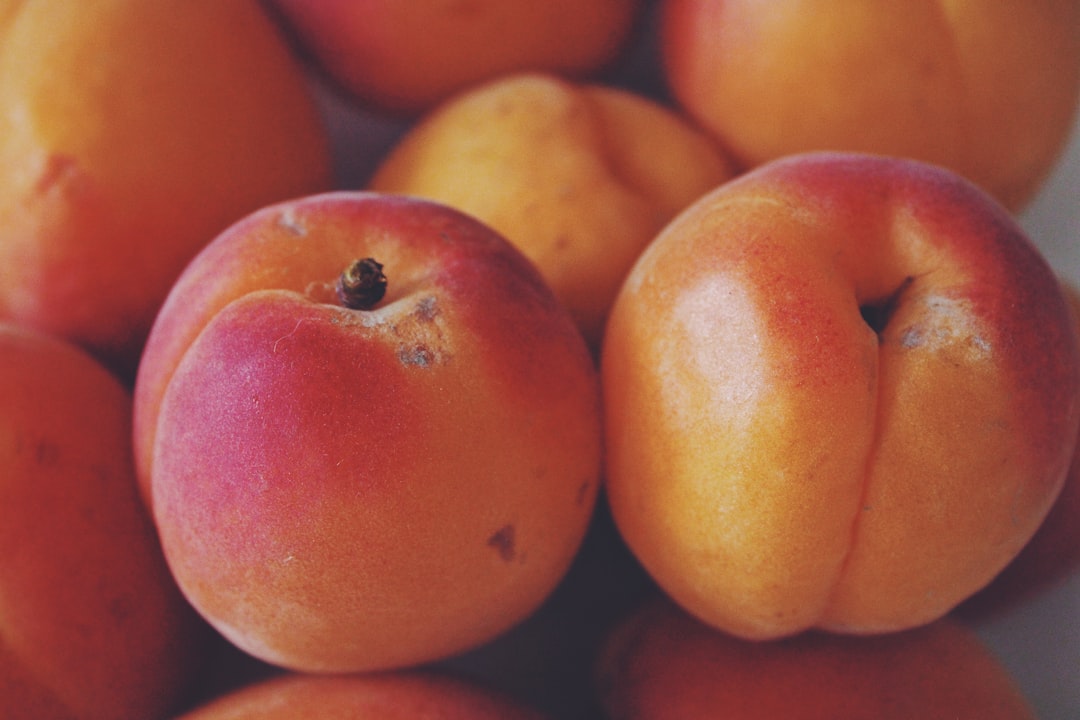
Photo: Ava Tyler · Unsplash License
Where it comes from
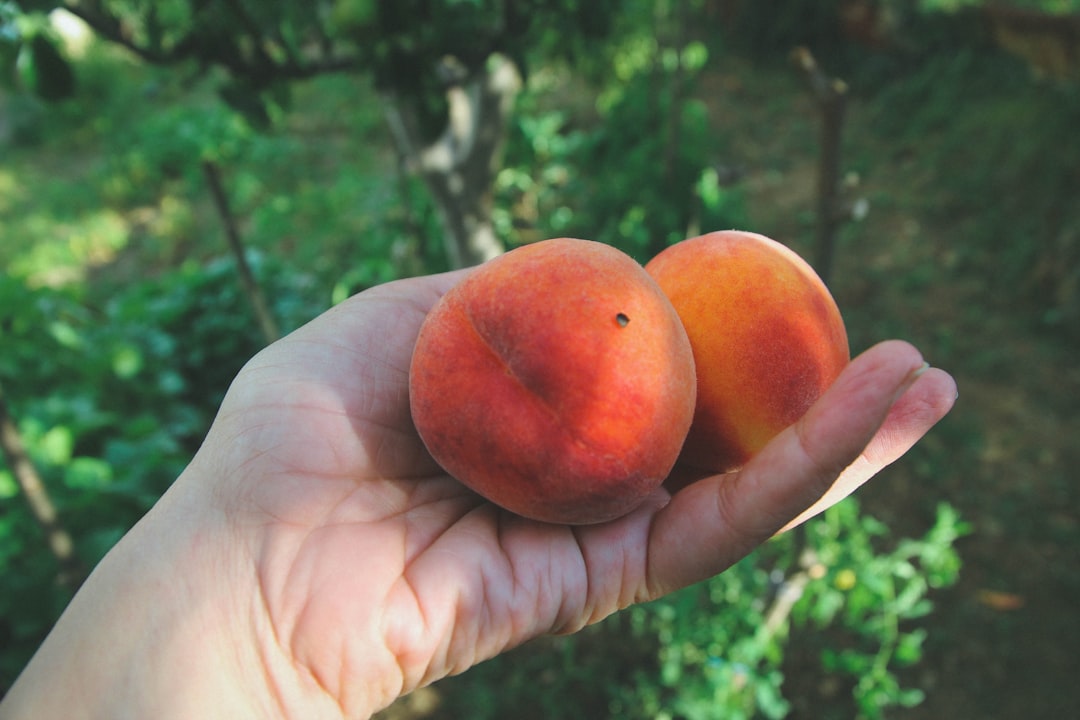
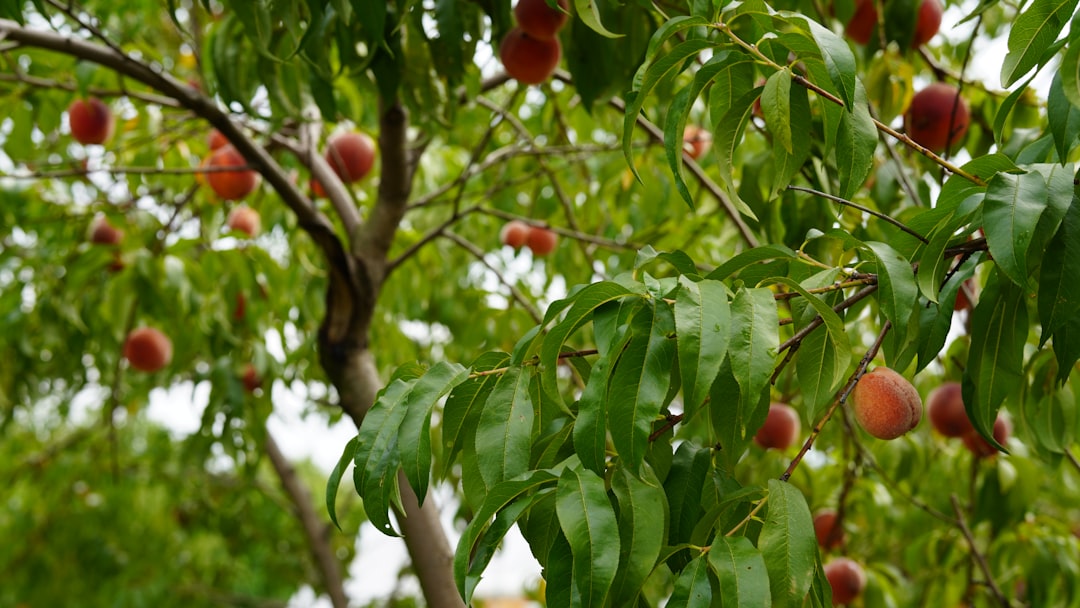
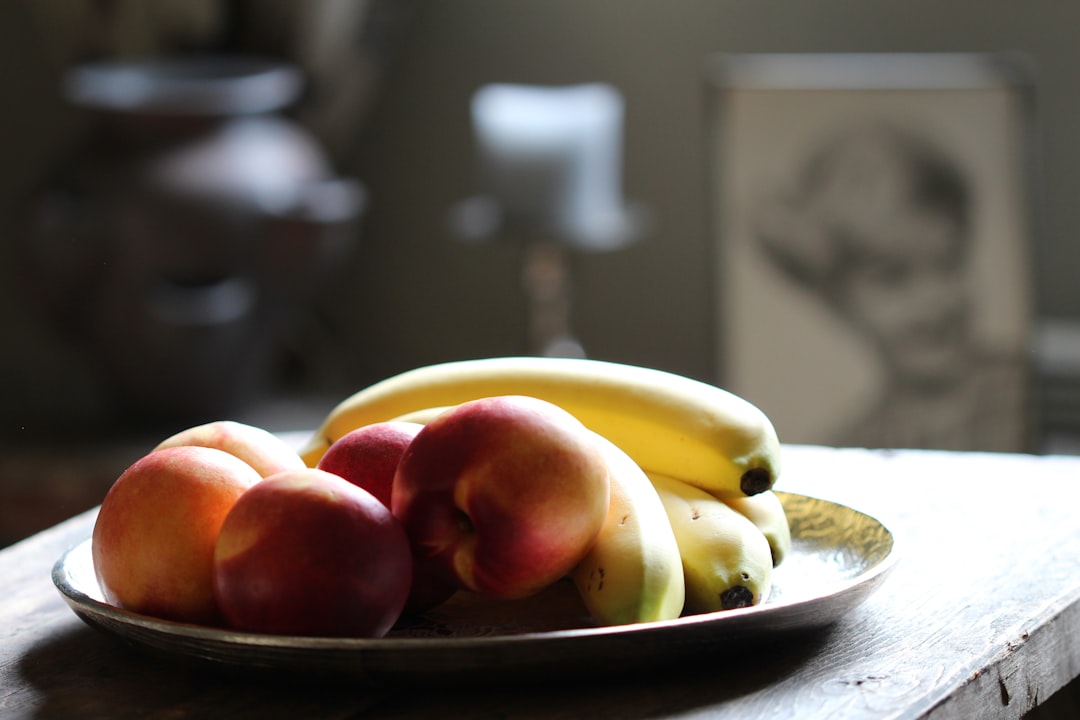
The peach is a deciduous tree that bears edible juicy fruits with various characteristics. Most are simply called peaches, while the glossy-skinned, non-fuzzy varieties are called nectarines. Though from the same species, they are regarded commercially as different fruits.
Where it grows
Note · FAO bundles peaches+nectarines
Source: FAO STAT — Crops and Livestock Products, 2024
Things worth knowing
- 01
Peaches and nectarines, though appearing different, actually belong to the same Prunus persica species.
- 02
This deciduous tree yields delicious, juicy stone fruits that are enjoyed worldwide for their unique flavor.
- 03
China is currently the leading global producer of peaches, contributing significantly to the world's supply.
- 04
Approximately 27.9 million tonnes of peaches are produced globally each year, highlighting their popularity.
- 05
Peaches offer a sweet taste and satisfying texture, making them a favorite fruit for many people.
Health & nutrition
- Peaches are a source of dietary fiber, which may support digestive health.
- They provide vitamin C, an antioxidant that is important for immune function.
- The fruit contains potassium, a mineral that may help regulate blood pressure.
- As a source of various nutrients, peaches can contribute to a balanced diet.
- The natural sugars in peaches offer a quick source of energy.
Informational only · not medical advice
Culinary uses
Peaches are incredibly versatile in the kitchen, enjoyed fresh as a sweet snack or dessert. They are commonly baked into pies, tarts, and cobblers, and can be grilled for a unique smoky sweetness. Across different regions, peaches are used in jams, preserves, and sauces, and can even be incorporated into savory dishes like salads and pork preparations.