Plum
Prunus domestica
- Energy
- 57kcal
- Native
- —
- Top Producer
- CHN
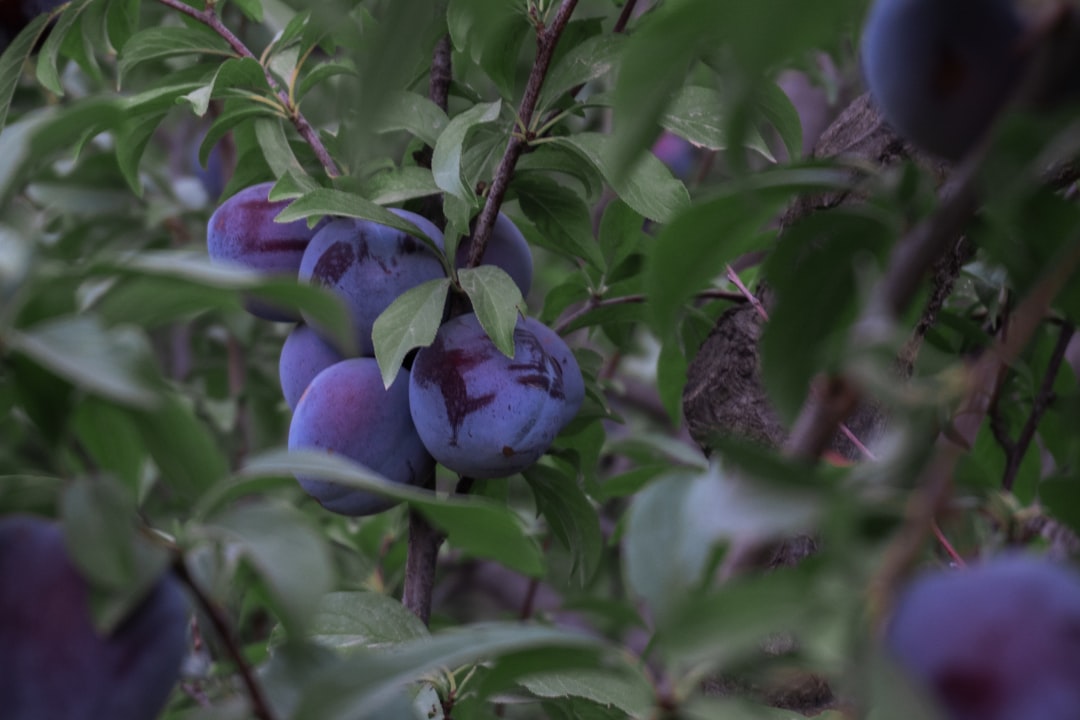
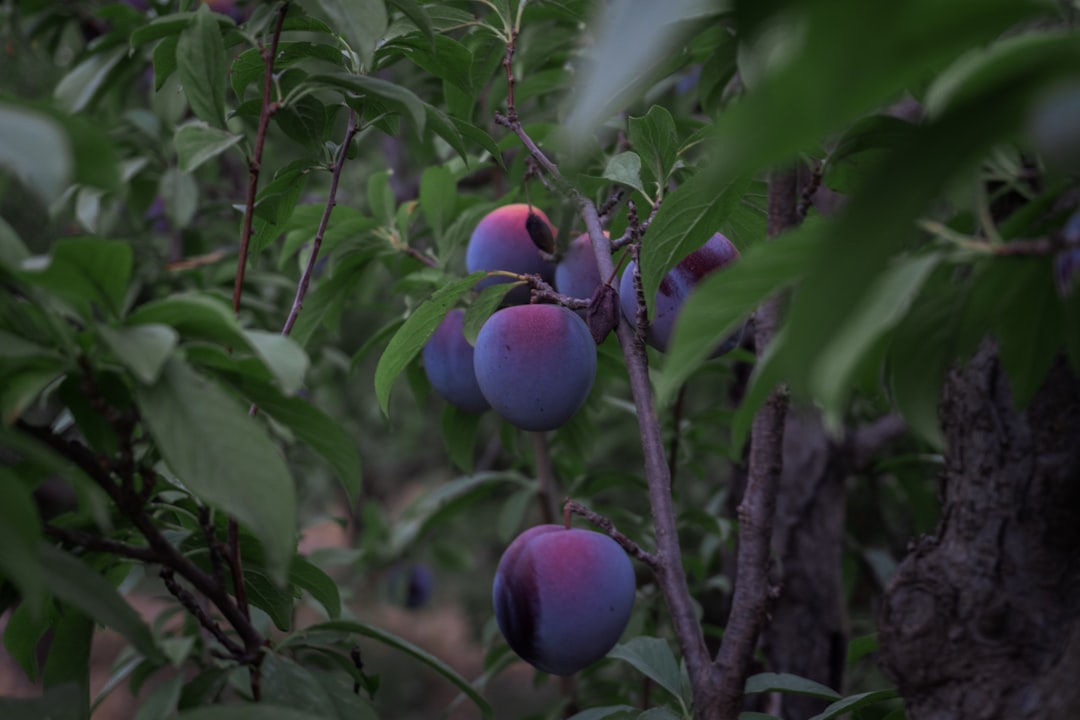
Photo: Shahab Vejdanian · Unsplash License
Where it comes from
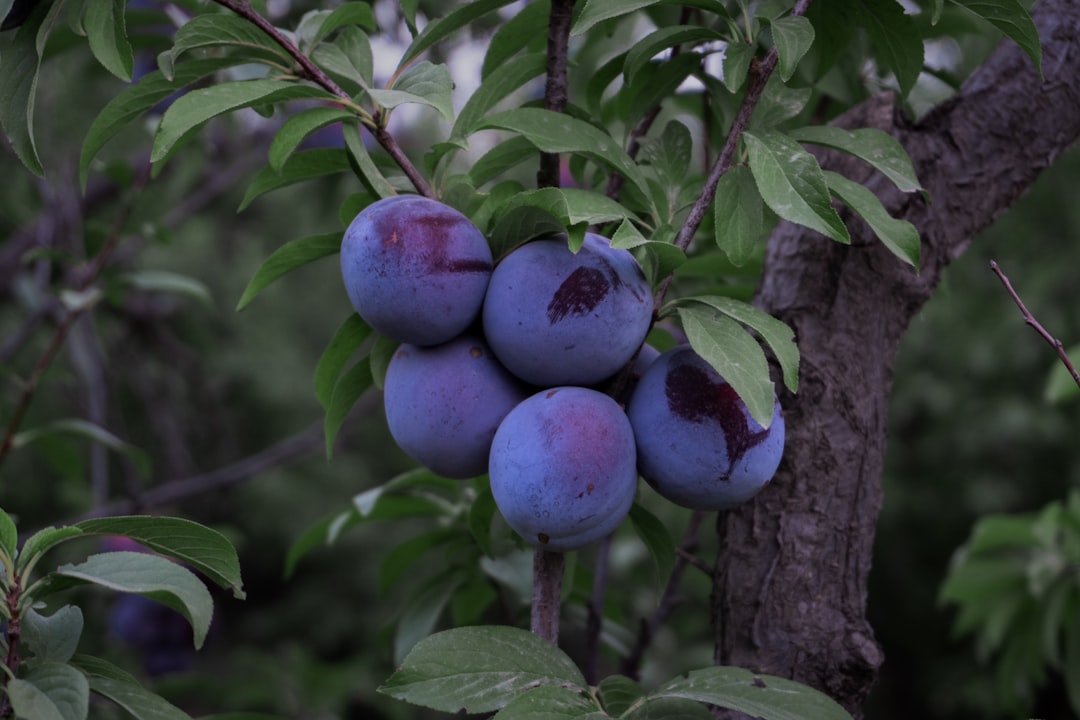
A plum is a fruit of some species in Prunus subg. Prunus. Dried plums are usually called prunes.
Where it grows
Note · FAO bundles plums+sloes
Source: FAO STAT — Crops and Livestock Products, 2024
Things worth knowing
- 01
Plums belong to the Rosaceae family, which also includes roses, apples, and peaches.
- 02
While their exact origin remains unknown, plums are cultivated worldwide for their delicious fruit.
- 03
Dried plums are commonly known as prunes and are a popular sweet treat.
- 04
Plums are classified as stone fruits, meaning they contain a single large pit or 'stone' inside.
- 05
China is currently the leading producer of plums, contributing significantly to the global harvest.
Health & nutrition
- Plums are a source of dietary fiber, which may support healthy digestion.
- This fruit provides a modest amount of Vitamin C, an important antioxidant.
- Potassium, found in plums, is a mineral that plays a role in maintaining fluid balance.
- The sugar content in plums provides natural energy for the body.
- Consuming plums may contribute to overall well-being as part of a balanced diet.
Informational only · not medical advice
Culinary uses
Plums are enjoyed globally in a variety of culinary applications. They can be eaten fresh, dried into prunes, or used in jams, jellies, and preserves. In Europe, plums are often baked into cakes and tarts, while in Asia, they are frequently pickled or used in savory sauces. Their sweet and slightly tart flavor makes them versatile for both sweet and savory dishes.