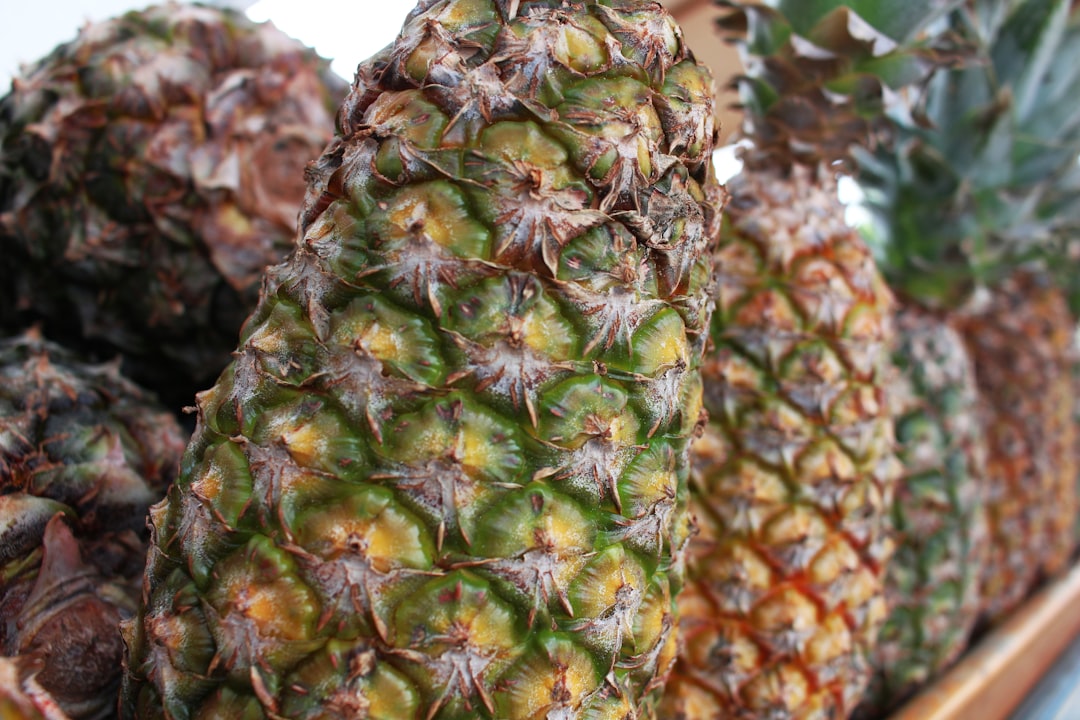
Passion Fruit
Passiflora edulis
- Energy
- 97kcal
- Native
- —
- Top Producer
- CHN
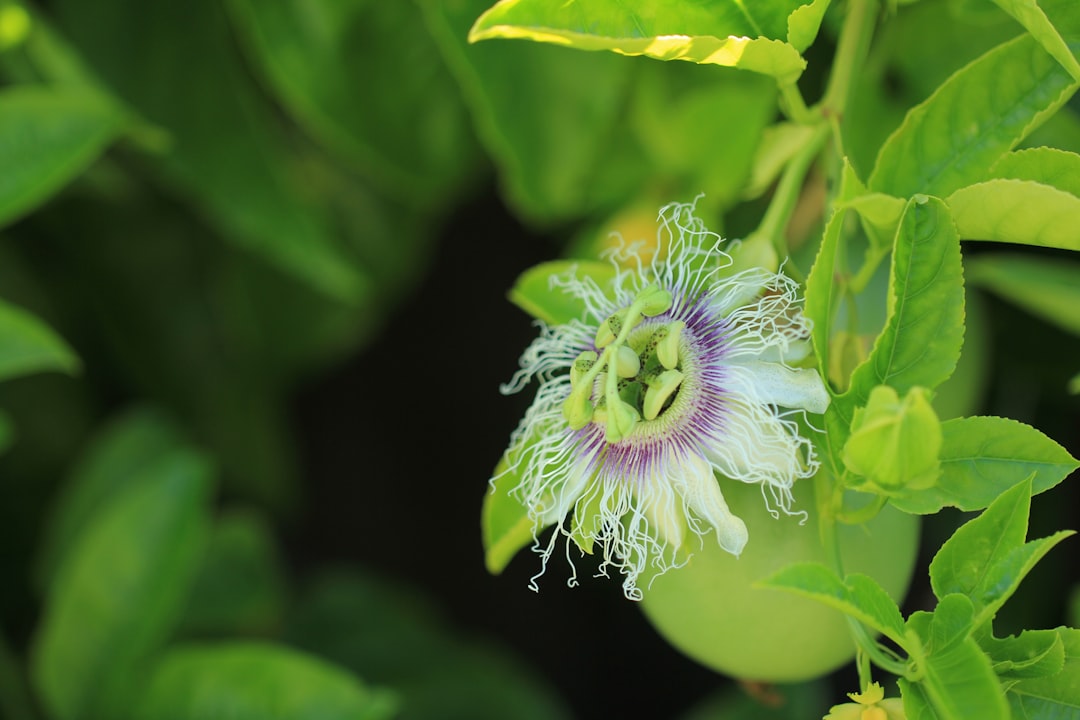
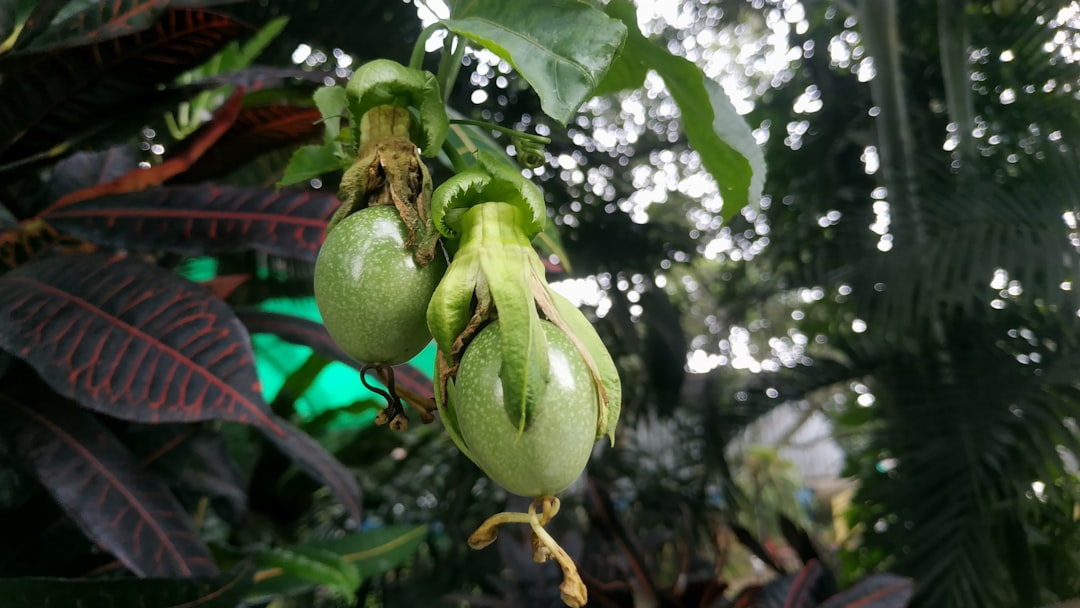
Photo: Sandy Millar · Unsplash License
Where it comes from
Passiflora edulis, commonly known as passion fruit, is a vine species of passion flower native to southern Brazil, through Paraguay, and northern Argentina. The fruit is a pepo, a type of botanical berry, round to oval, either yellow or dark purple at maturity, with a soft to firm, juicy interior filled with numerous seeds.
Where it grows
Note · FAO 'Other tropical fruits'
Source: FAO STAT — Crops and Livestock Products, 2024
Things worth knowing
- 01
Passion fruit, scientifically known as Passiflora edulis, is a fascinating tropical fruit belonging to the Passifloraceae family.
- 02
While its exact native region remains unknown, this vine species thrives in diverse climates and produces a unique botanical berry.
- 03
The fruit itself is a type of pepo, typically round or oval, and can mature to be either yellow or a deep, rich purple.
- 04
Each 100-gram serving of passion fruit offers a substantial 10.40 grams of dietary fiber, contributing to its nutritional profile.
- 05
Passion fruit is a notable source of essential nutrients, boasting 30mg of Vitamin C and 348mg of Potassium per 100 grams.
Health & nutrition
- Passion fruit is a good source of dietary fiber, which may support digestive health.
- It is a source of Vitamin C, an antioxidant that may help protect cells from damage.
- The fruit contains potassium, which may play a role in maintaining healthy blood pressure levels.
- Its fiber content could contribute to feelings of fullness, potentially aiding in weight management.
- As part of a balanced diet, passion fruit may contribute to overall well-being.
Informational only · not medical advice
Culinary uses
Passion fruit is enjoyed globally for its intensely aromatic and tart flavor. It is commonly used in juices, smoothies, and desserts like mousses and tarts. In its native regions and beyond, it's also incorporated into sauces, marinades, and salad dressings, adding a vibrant tropical note to a variety of dishes.