Guava
Psidium guajava
- Energy
- 68kcal
- Native
- —
- Top Producer
- IND
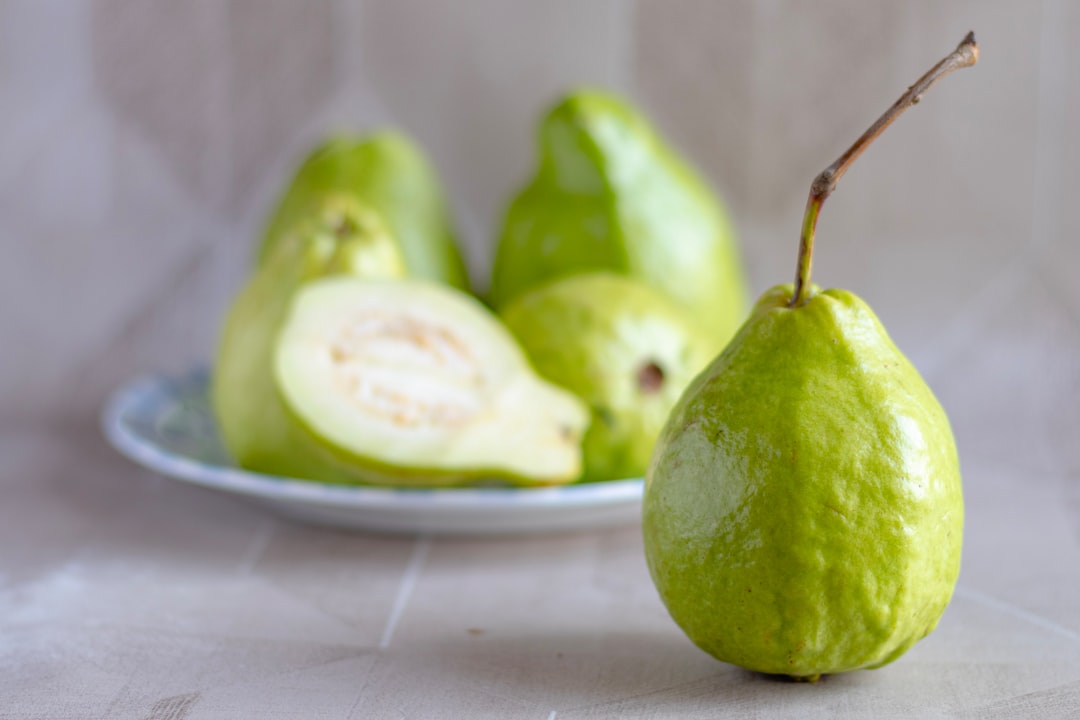
Photo: VD Photography · Unsplash License
Where it comes from
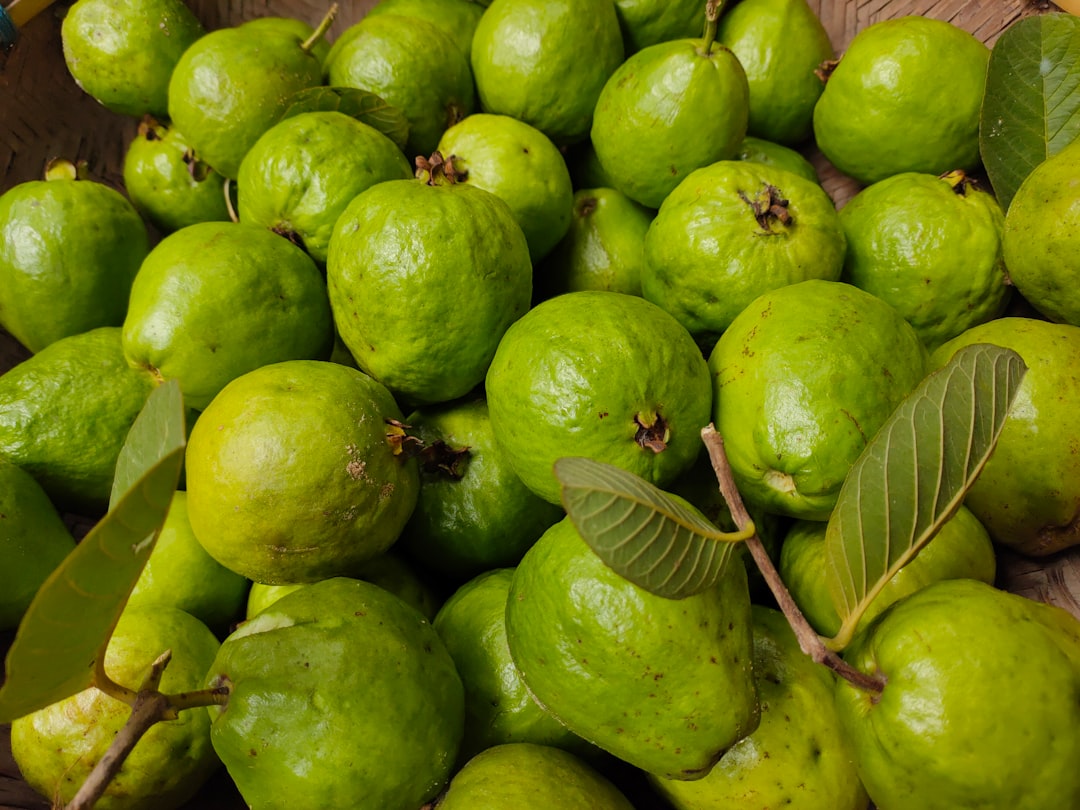
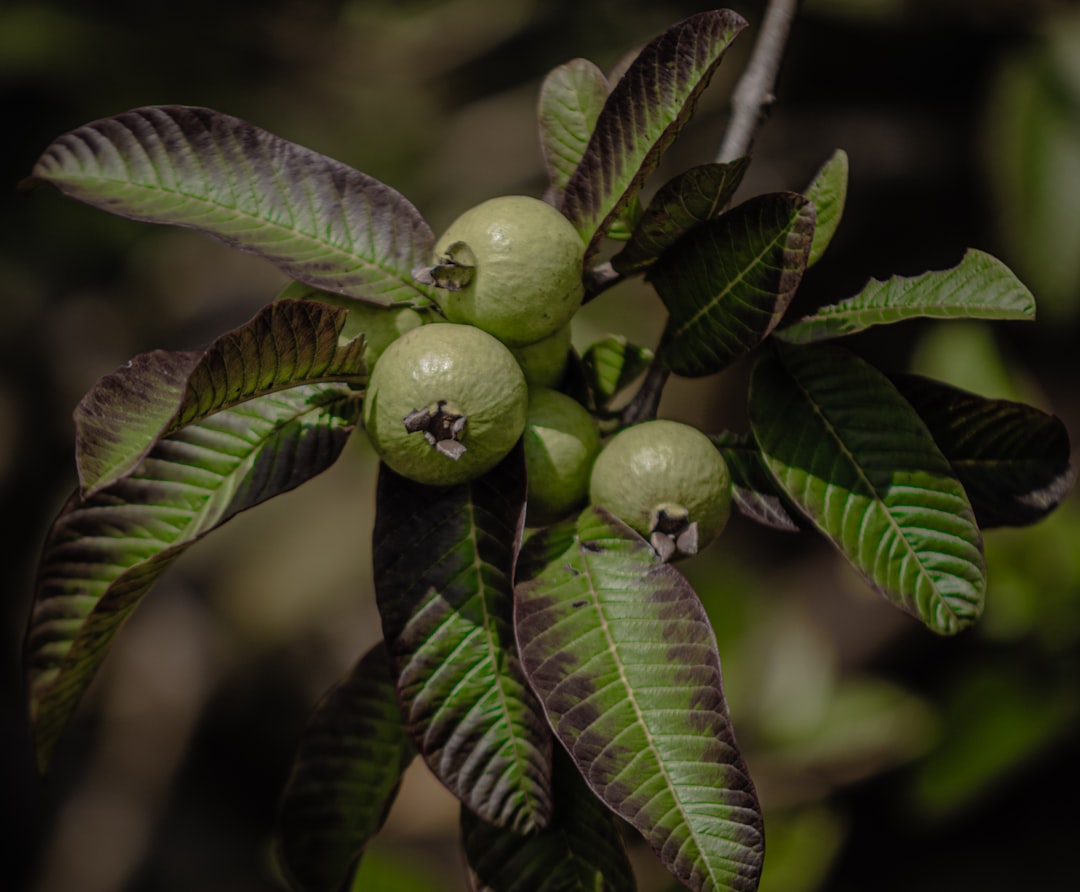
Guava, also known as the 'guava-pear' in various regions, is a common tropical fruit cultivated in many tropical and subtropical regions. The common guava Psidium guajava is a small tree in the myrtle family (Myrtaceae), native to Mexico, Central America, the Caribbean and northern South America. Botanically, guavas are berries.
Where it grows
Note · FAO bundles mango+guava+mangosteen
Source: FAO STAT — Crops and Livestock Products, 2024
Things worth knowing
- 01
Guava, often called 'guava-pear,' is a popular tropical fruit grown worldwide.
- 02
This common guava, scientifically known as Psidium guajava, belongs to the myrtle family.
- 03
Botanically classified as berries, guavas grow on small trees in tropical and subtropical climates.
- 04
A 100-gram serving of guava provides a remarkable 228 milligrams of vitamin C.
- 05
Guavas offer a substantial 5.40 grams of dietary fiber per 100 grams.
Health & nutrition
- Guava is a good source of dietary fiber, which may support digestive health.
- Its high vitamin C content is an antioxidant that may support immune function.
- Potassium found in guava may play a role in maintaining healthy blood pressure levels.
- The fiber in guava may contribute to feelings of fullness, potentially aiding weight management.
- Guava provides nutrients that are important for overall well-being and energy production.
Informational only · not medical advice
Culinary uses
Guava is enjoyed globally in numerous culinary applications. It can be eaten fresh, often with the skin, or used in jams, jellies, and preserves. In various regions, it's a key ingredient in juices, smoothies, and desserts like cakes and puddings. The fruit's versatility makes it a beloved component of both sweet and savory dishes.