Ber
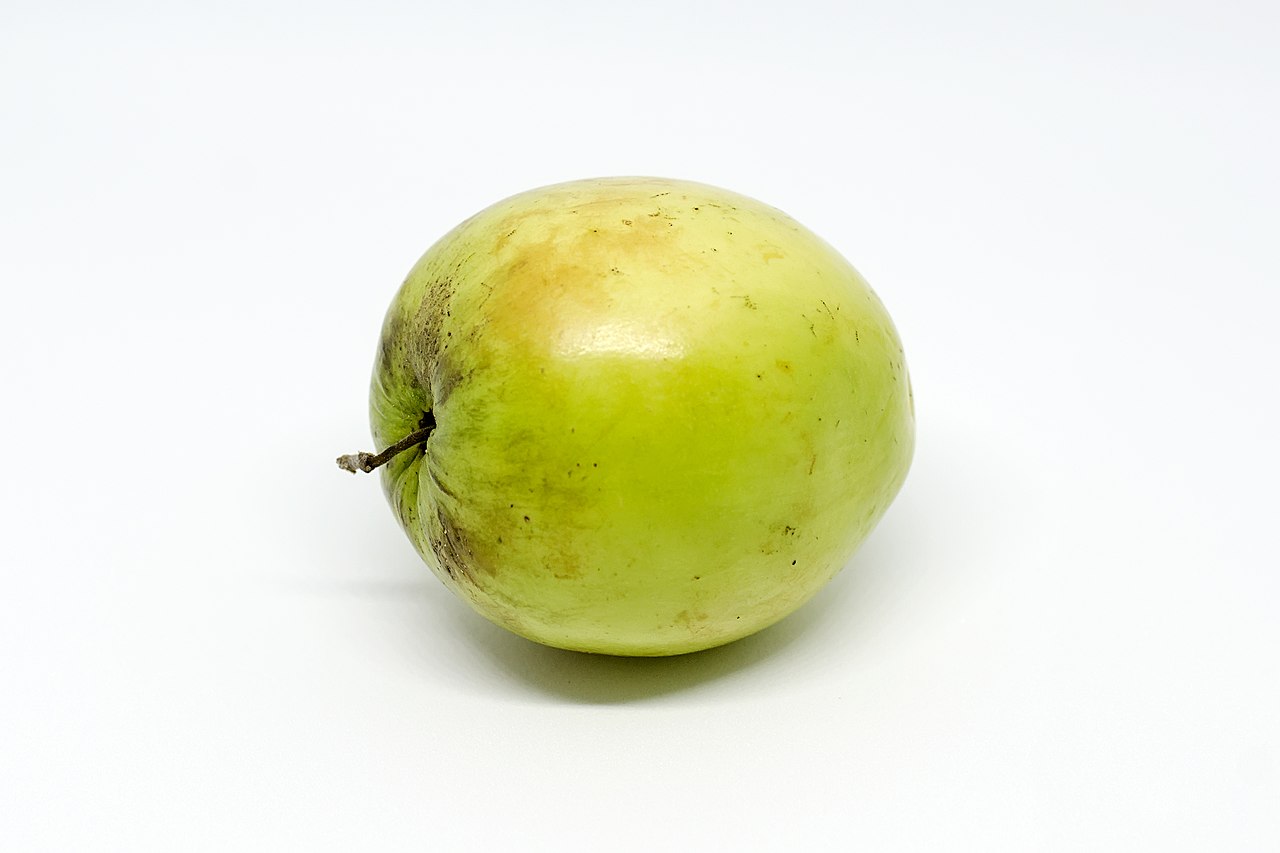
Ziziphus mauritiana
- Energy
- 49kcal
- Native
- —
- Top Producer
- —
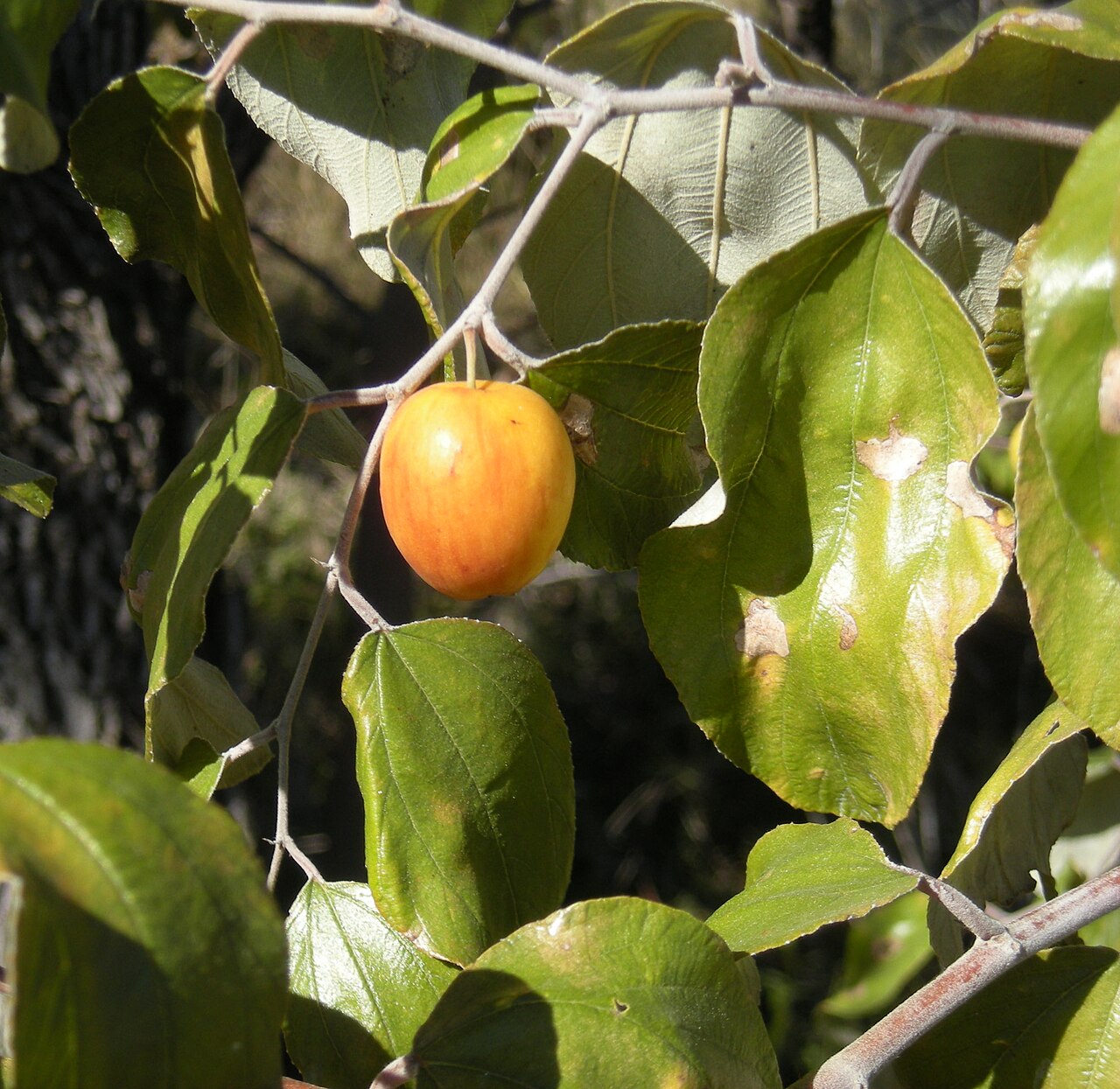
Photo: Ethel Aardvark · CC BY 3.0
Where it comes from
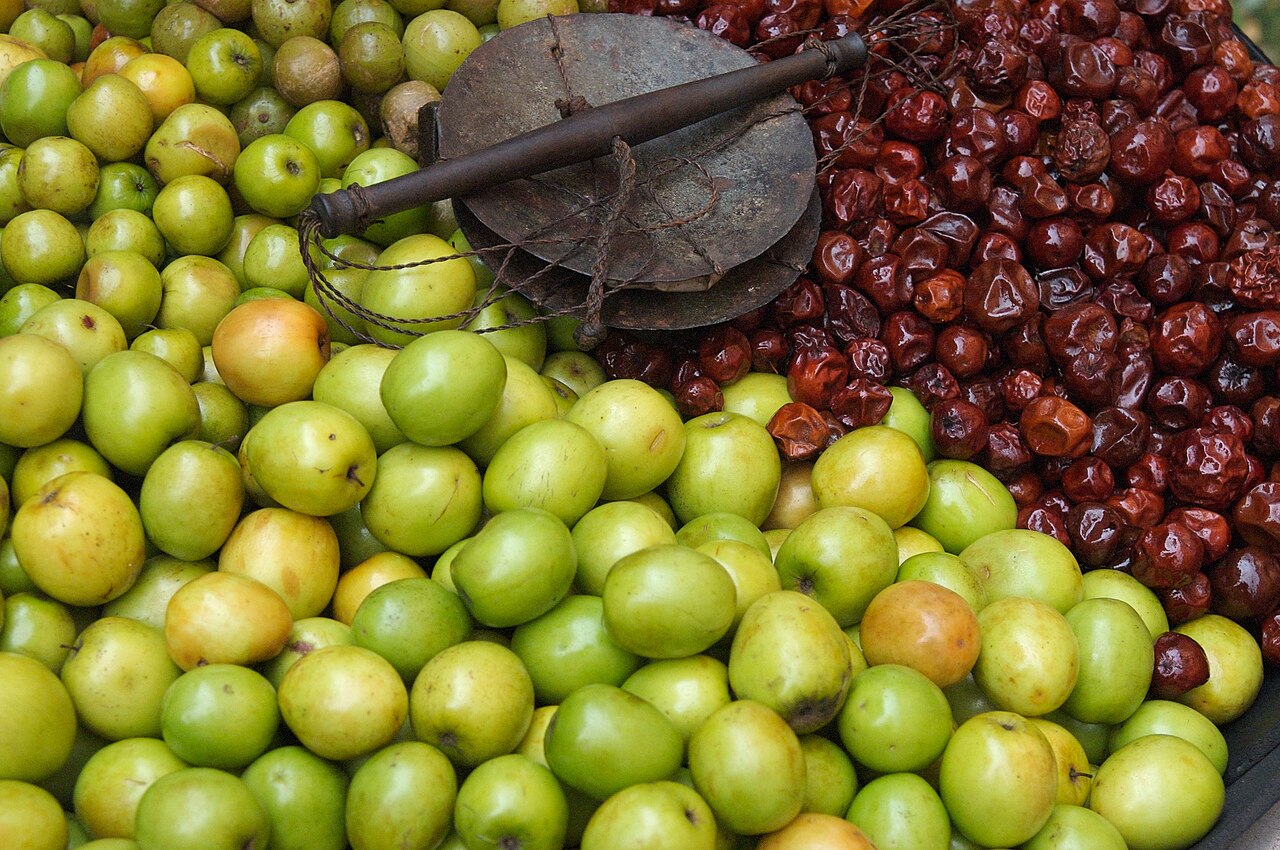
Ziziphus mauritiana, also known as Indian jujube, Indian plum, Chinee apple, ber and dunks, is a tropical, spiny, evergreen shrub or small tree in the buckthorn family Rhamnaceae. It is often confused with the closely related Chinese jujube : Z. mauritiana is common is tropical and subtropical climates, while Z. jujuba prefers temperate climates.
Things worth knowing
- 01
Ber, scientifically known as Ziziphus mauritiana, is a tropical, spiny, evergreen shrub or small tree.
- 02
This fruit belongs to the buckthorn family, Rhamnaceae, and is native to an unknown region.
- 03
Often called Indian jujube or Indian plum, ber is an exotic fruit with a unique taste.
- 04
It's important to distinguish ber from the Chinese jujube, as they prefer different climates.
- 05
Ber thrives in tropical and subtropical climates, unlike its temperate-loving relative.
Health & nutrition
- Ber is a good source of dietary fiber, which may support digestive health.
- This fruit contains vitamin C, an antioxidant that may help protect cells.
- The potassium content in ber may play a role in maintaining fluid balance.
- Ber provides a moderate amount of calories, offering energy for the body.
- The sugars in ber offer a natural source of quick energy.
Informational only · not medical advice
Culinary uses
Ber fruits are enjoyed fresh in tropical and subtropical regions, offering a sweet and slightly tart flavor. They can be dried and preserved, or used in jams, jellies, and chutneys. In some areas, ber is also used to make beverages and candies, showcasing its versatility in global cuisine.