Black Sapote
Diospyros nigra
- Energy
- —
- Native
- —
- Top Producer
- —
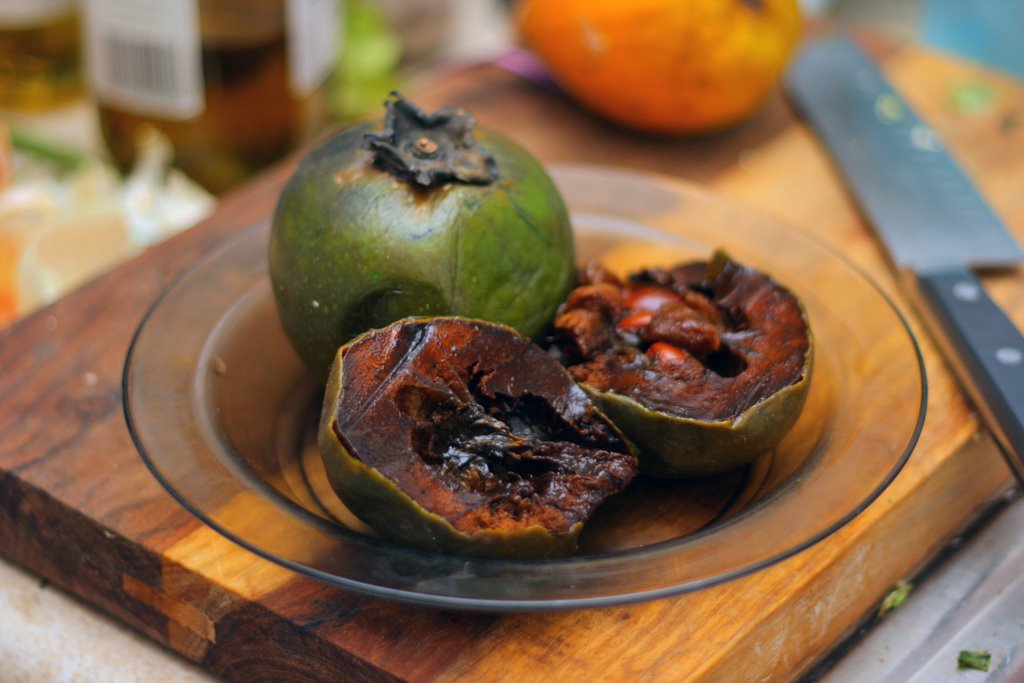
Photo: Critical Miami · CC BY-SA 2.0
Where it comes from
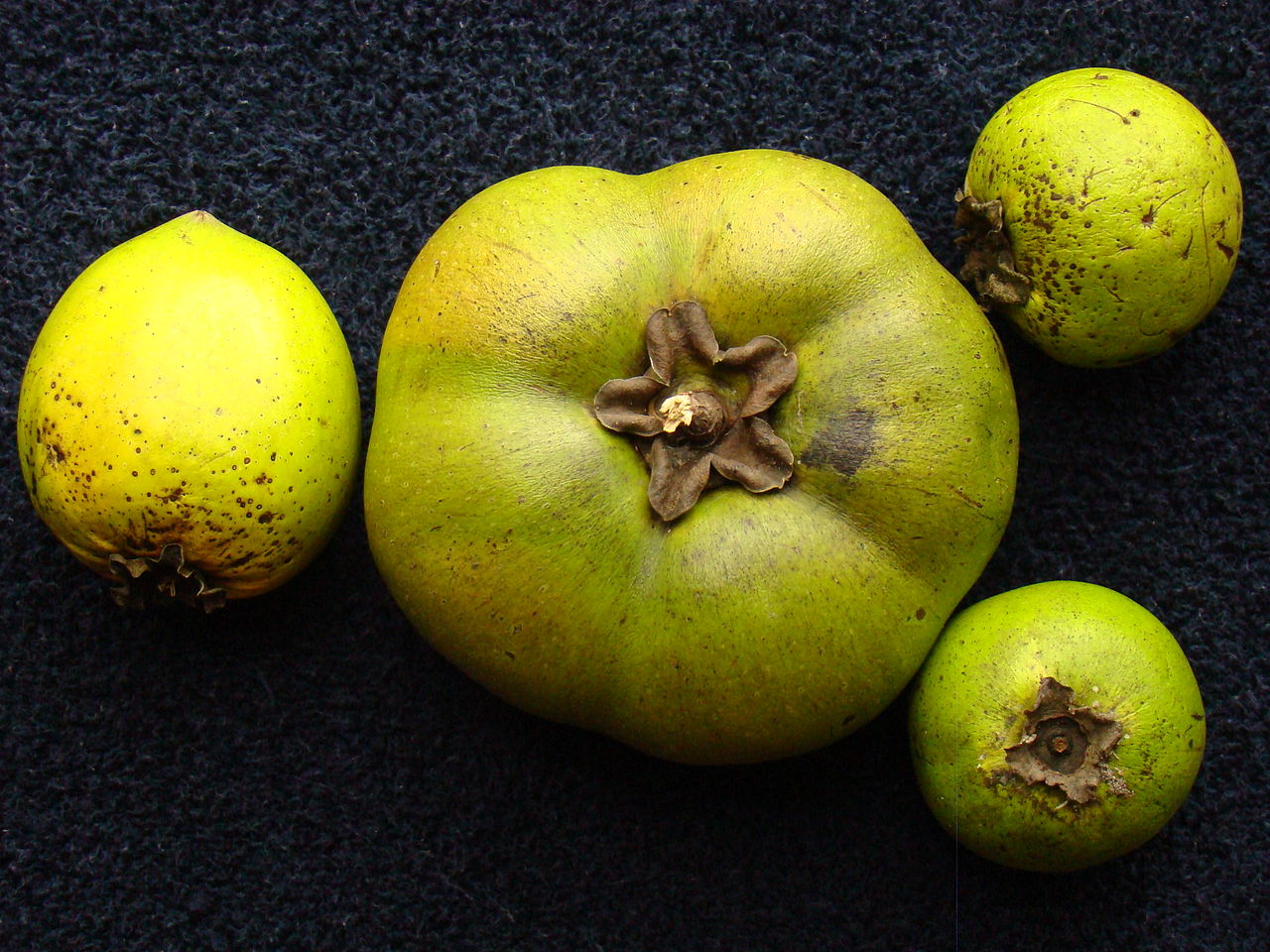
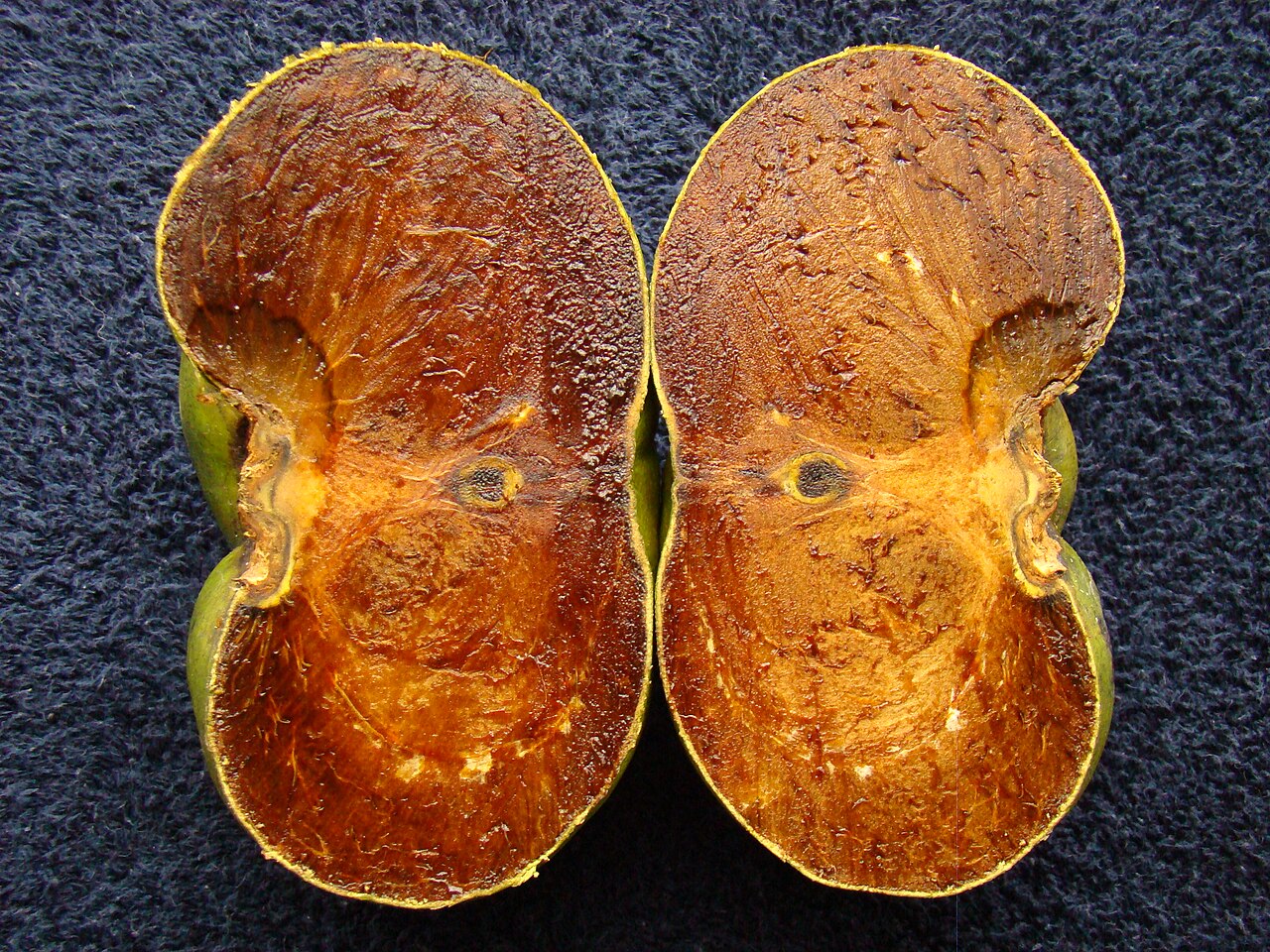
Diospyros nigra, the black sapote, is a species of persimmon. Common names include chocolate pudding fruit, black soapapple and zapote prieto. The tropical fruit tree is native to Mexico, Central America, and Colombia. The common name sapote refers to any soft, edible fruit. Black sapote is not related to white sapote nor mamey sapote. The genus Diospyros has numerous other fruit bearing tree species in addition to the persimmons and black sapote. It is said to taste like chocolate pudding.
Things worth knowing
- 01
Black sapote, also known as chocolate pudding fruit, is a fascinating tropical fruit from the persimmon family.
- 02
Despite its dark flesh, the fruit's flavor is often compared to chocolate pudding, a delightful surprise for many.
- 03
The name 'sapote' is a general term for soft, edible fruits, and black sapote is distinct from white sapote and mamey sapote.
- 04
While its exact native region is unknown, this exotic fruit tree is found growing in Mexico, Central America, and Colombia.
- 05
This unique persimmon variety offers a glimpse into the diverse and intriguing world of tropical fruits.
Health & nutrition
- Black sapote is a source of dietary fiber, which may support healthy digestion.
- It provides a small amount of Vitamin C, an antioxidant that may support the immune system.
- The fruit contains potassium, a mineral that may play a role in maintaining healthy blood pressure levels.
- Nutrients found in black sapote may contribute to overall well-being as part of a balanced diet.
- Consuming this fruit can be a delicious way to incorporate various vitamins and minerals into your meals.
Informational only · not medical advice
Culinary uses
Black sapote is a versatile fruit enjoyed in various culinary applications. Its naturally sweet, pudding-like flesh makes it ideal for desserts, smoothies, and fruit salads. In its native regions, it is often eaten fresh or blended into drinks. Some enjoy it simply scooped from the skin, appreciating its unique texture and mild sweetness.