Jabuticaba
Plinia cauliflora
- Energy
- 69kcal
- Native
- —
- Top Producer
- —
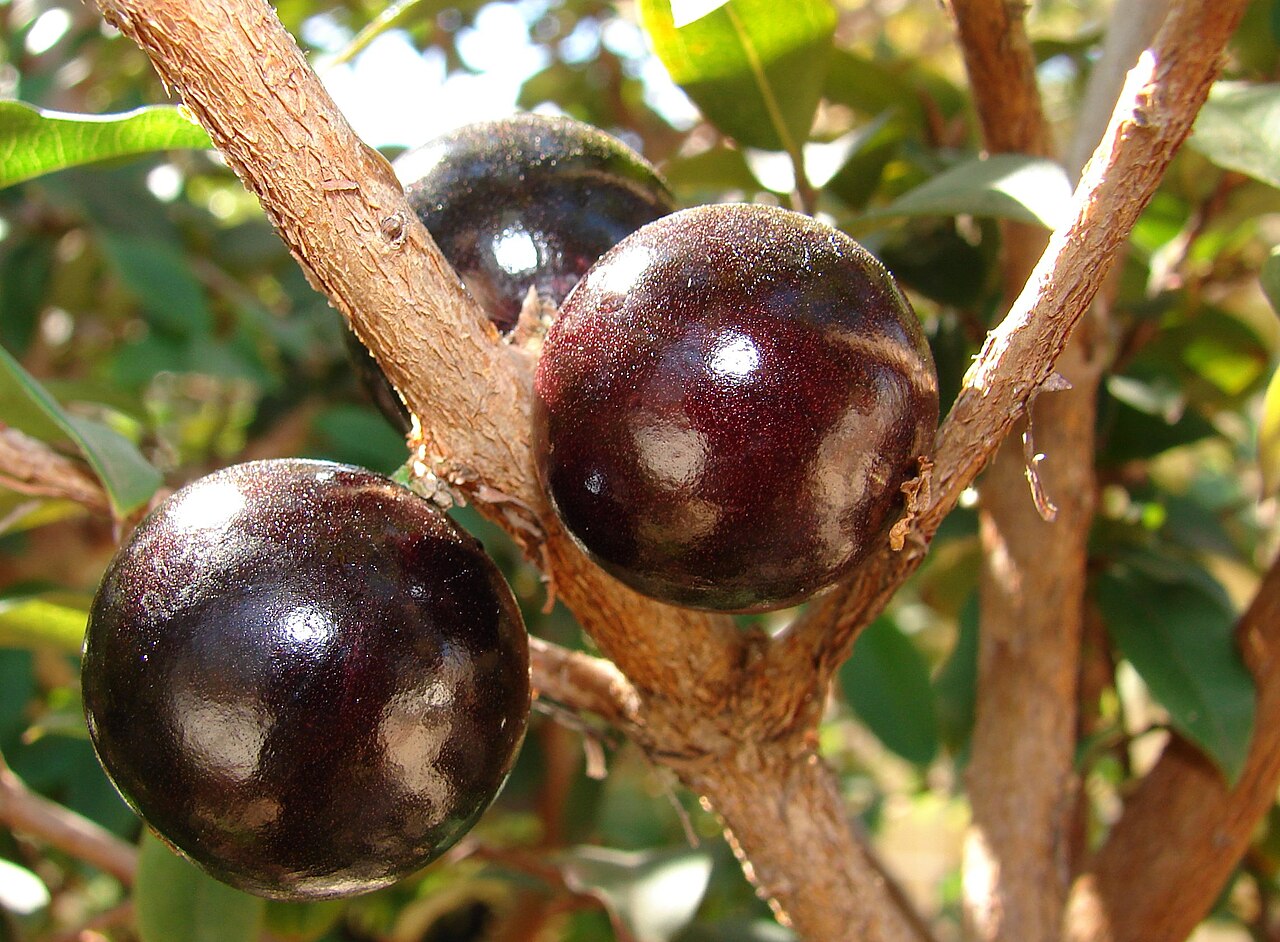
Photo: Alexandre CampolinaCampola · CC BY 3.0
Where it comes from
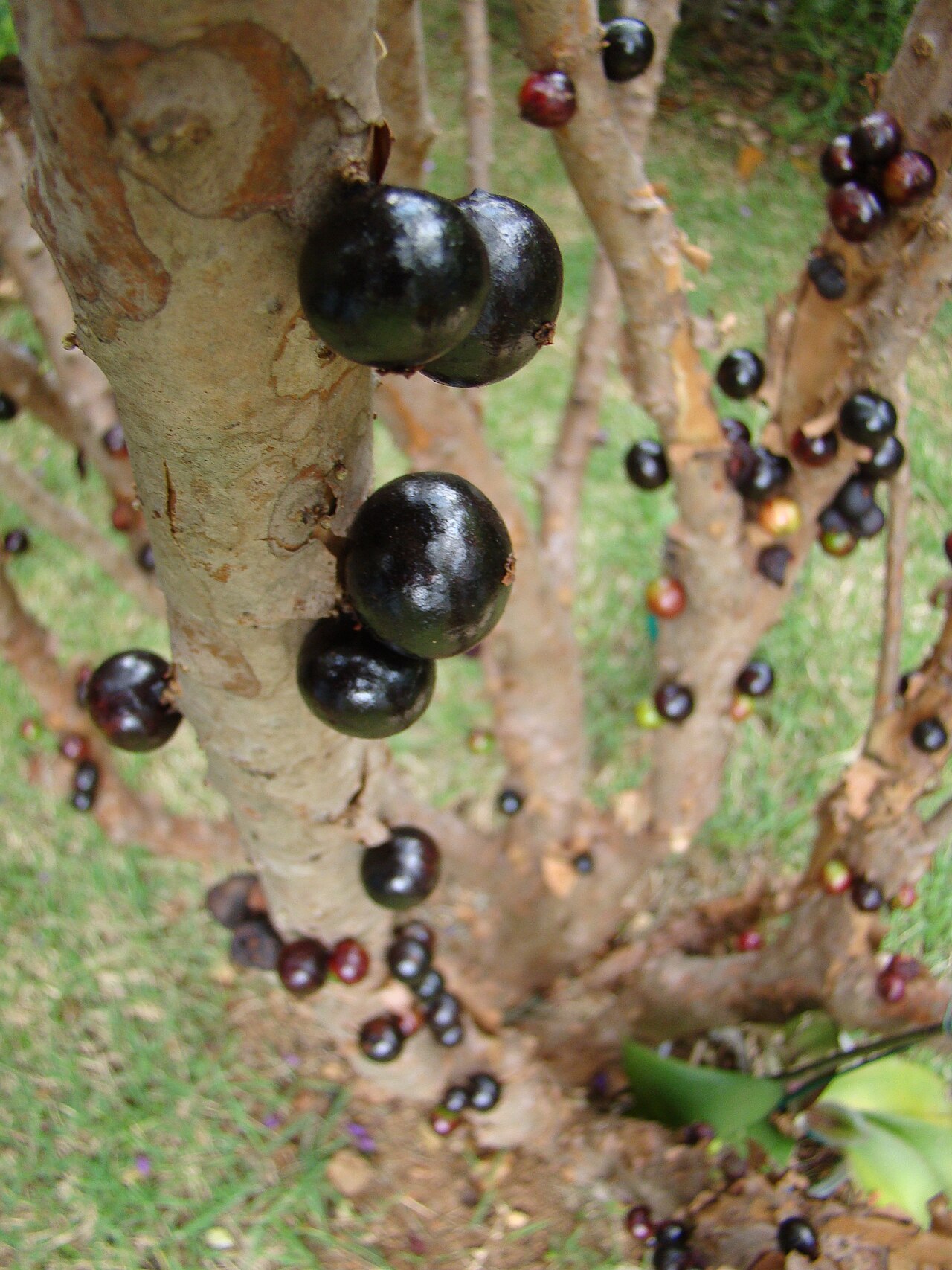
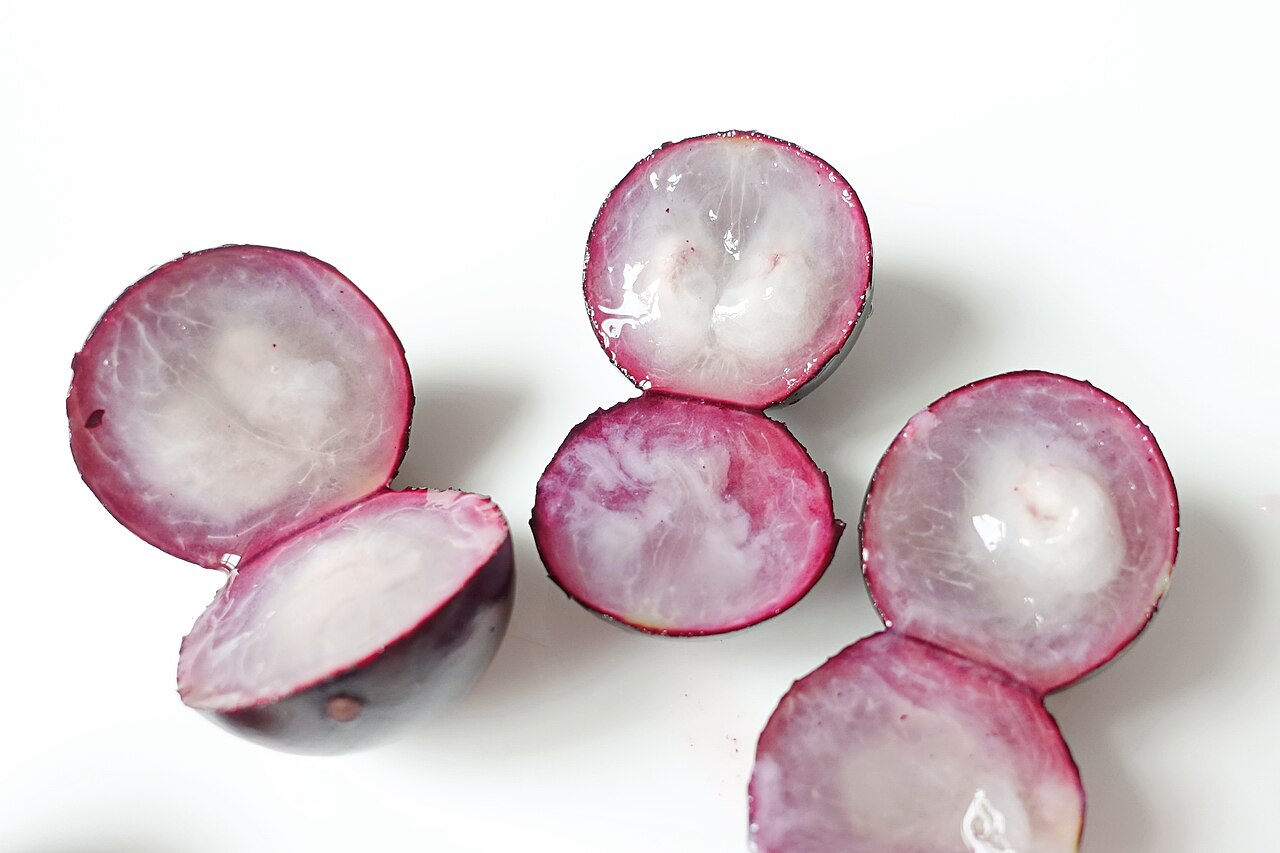
A jaboticaba or jabuticaba is a round, edible fruit produced by a jaboticaba tree, also known as Brazilian grapetree. The purplish-black, white-pulped fruit grows directly on the trunk of the tree, making it an example of 'cauliflory'. It is eaten raw or used to make jellies, jams, juice or wine. The tree, of the family Myrtaceae, is native to the states of Rio de Janeiro, Minas Gerais, Goiás and São Paulo in Brazil. Related species in the genus Myrciaria, often referred to by the same common names, are native to Brazil, Argentina, Paraguay, Peru and Bolivia.
Things worth knowing
- 01
Jabuticaba, scientifically known as Plinia cauliflora, is a fascinating fruit that grows directly on the trunk of its tree.
- 02
This unusual growth pattern, where fruit develops on the trunk, is known as cauliflory and is a distinctive characteristic of the jabuticaba tree.
- 03
The fruit itself is round with a purplish-black skin and a white, pulpy interior, resembling a grape in appearance.
- 04
Native to Brazil, this exotic fruit is a member of the Myrtaceae family, which also includes other well-known plants like eucalyptus and guava.
- 05
Jabuticaba trees are a unique sight, with their fruits appearing directly on the woody parts of the trunk and branches, creating a striking visual display.
Health & nutrition
- Jabuticaba is a source of dietary fiber, which may support digestive health and contribute to a feeling of fullness.
- This fruit contains Vitamin C, an essential nutrient that may help support immune function and acts as an antioxidant.
- The potassium content in jabuticaba may play a role in maintaining healthy blood pressure levels.
- With approximately 69 kcal per 100g, jabuticaba can be a nutritious addition to a balanced diet.
- The natural sugars in jabuticaba provide a source of energy for the body.
Informational only · not medical advice
Culinary uses
Jabuticaba fruit is enjoyed raw, offering a sweet and slightly tart flavor. It is also commonly processed into jellies, jams, and juices. Additionally, the fruit's unique taste lends itself to the production of wine, showcasing its versatility in various culinary applications.