Custard Apple
Annona squamosa
- Energy
- 99kcal
- Native
- —
- Top Producer
- CHN
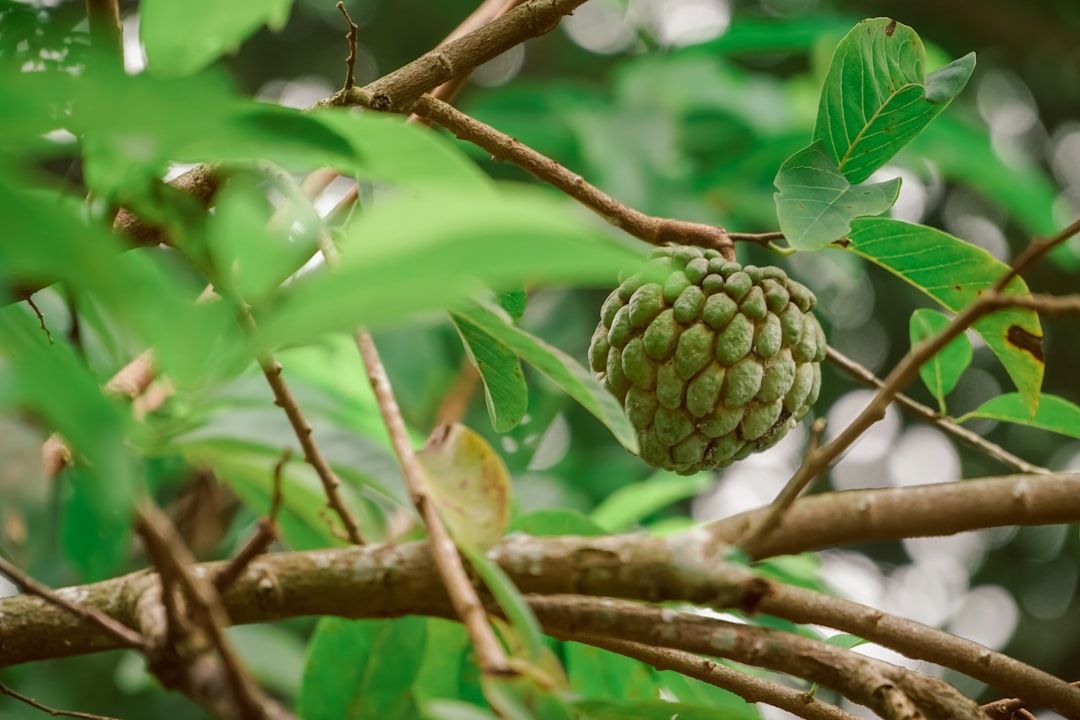
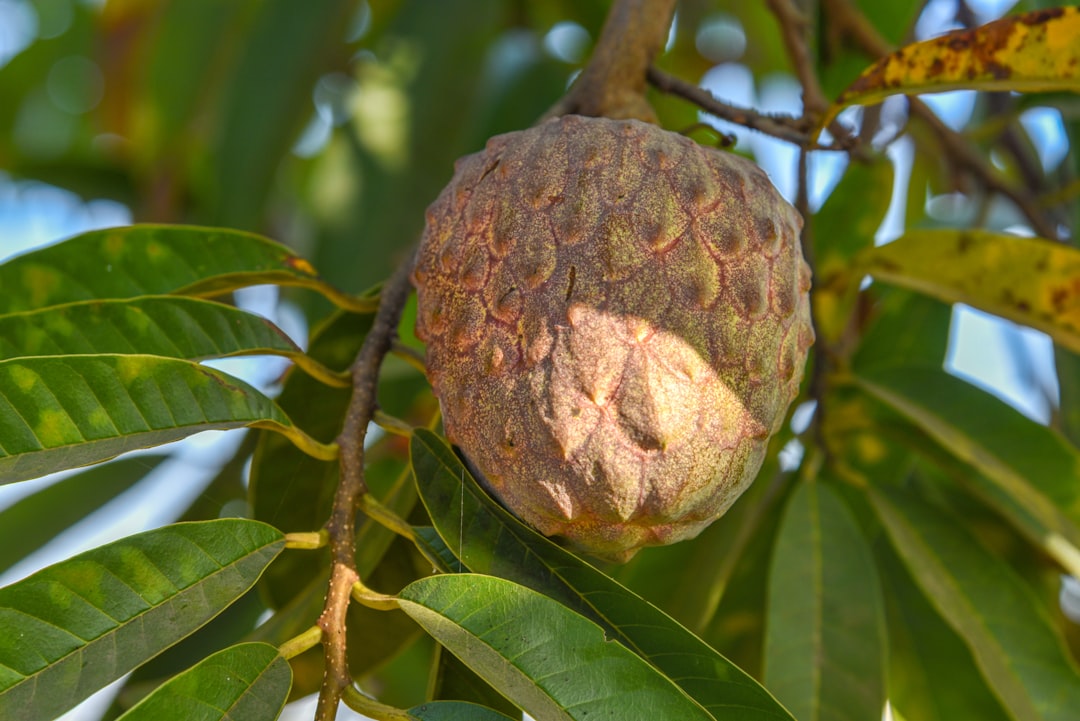
Photo: Muhamad Farihin · Unsplash License
Where it comes from
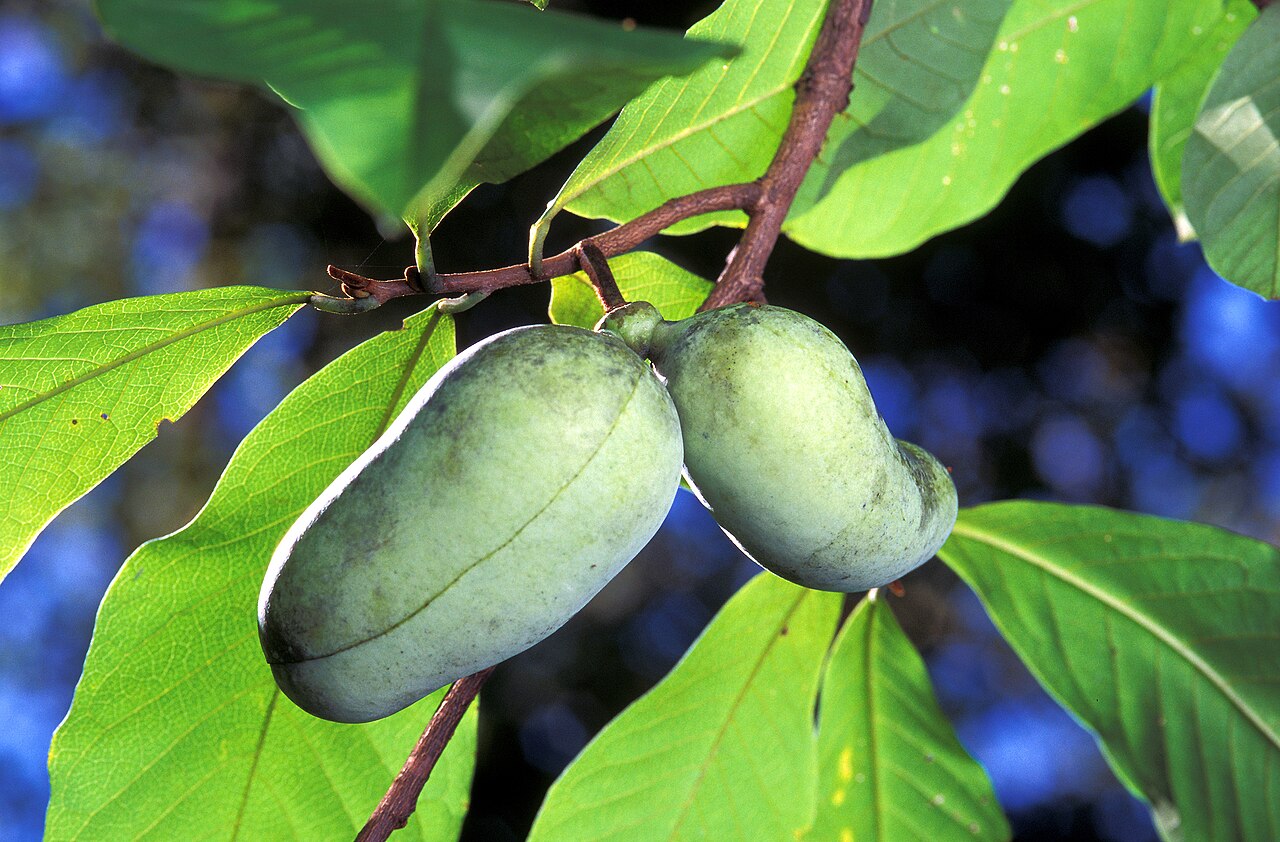
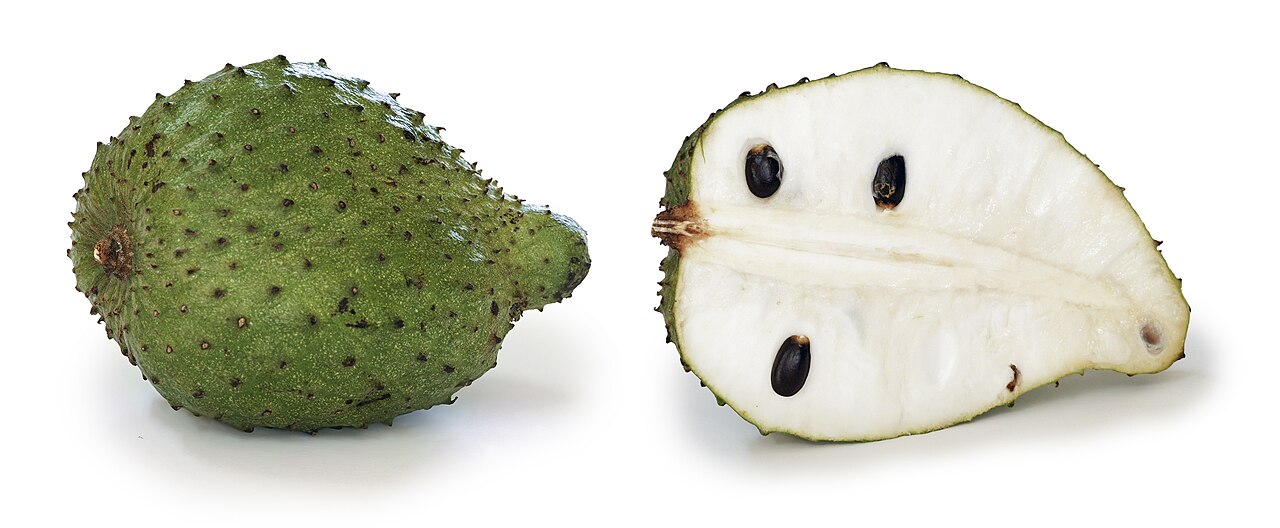
Custard apple is a common name for several fruits and may refer to Annonaceae, the custard apple family, which includes the following species referred to as custard apples:Annona cherimola, a tree and fruit also called cherimoya Annona muricata, a tree and fruit also called guanábana or soursop Annona reticulata, a tree and fruit also called custard apple, ox heart or bullock's heart Annona senegalensis, a tree and fruit called wild custard-apple Annona squamosa, a tree and fruit also called sugar apple or sweetsop Asimina triloba, the "pawpaw", a deciduous tree, with a range from southern Ontario to Texas and Florida, that bears the largest edible fruit native to the United States or Canada.
Where it grows
Note · FAO 'Other tropical fruits'
Source: FAO STAT — Crops and Livestock Products, 2024
Things worth knowing
- 01
The Custard Apple, scientifically known as Annona squamosa, belongs to the Annonaceae family of plants.
- 02
While its exact native region remains unknown, this exotic fruit has captured palates worldwide.
- 03
A 100-gram serving of Custard Apple provides a modest 99 kilocalories, making it a balanced treat.
- 04
Globally, China is the top producer of Custard Apples, contributing significantly to the 23.9 million tonnes produced annually.
- 05
This delicious fruit is a good source of fiber, offering 5.10 grams per 100 grams.
Health & nutrition
- Custard Apple is a source of dietary fiber, which may support digestive health.
- It provides Vitamin C, an important nutrient that may contribute to immune system function.
- The fruit contains potassium, an essential mineral that may play a role in maintaining healthy blood pressure levels.
- With 13.35 grams of sugar per 100 grams, it offers natural sweetness.
- Its nutrient profile, including fiber and vitamins, may contribute to overall well-being.
Informational only · not medical advice
Culinary uses
Custard apples are enjoyed fresh in many regions, prized for their sweet, creamy flesh. In some areas, they are used in desserts, smoothies, and beverages. The fruit's unique flavor profile also lends itself to regional culinary applications, often featured in local sweet preparations.