Dragon Fruit
Selenicereus undatus
- Energy
- 19kcal
- Native
- —
- Top Producer
- CHN

Photo: David Brooke Martin · Unsplash License
Where it comes from
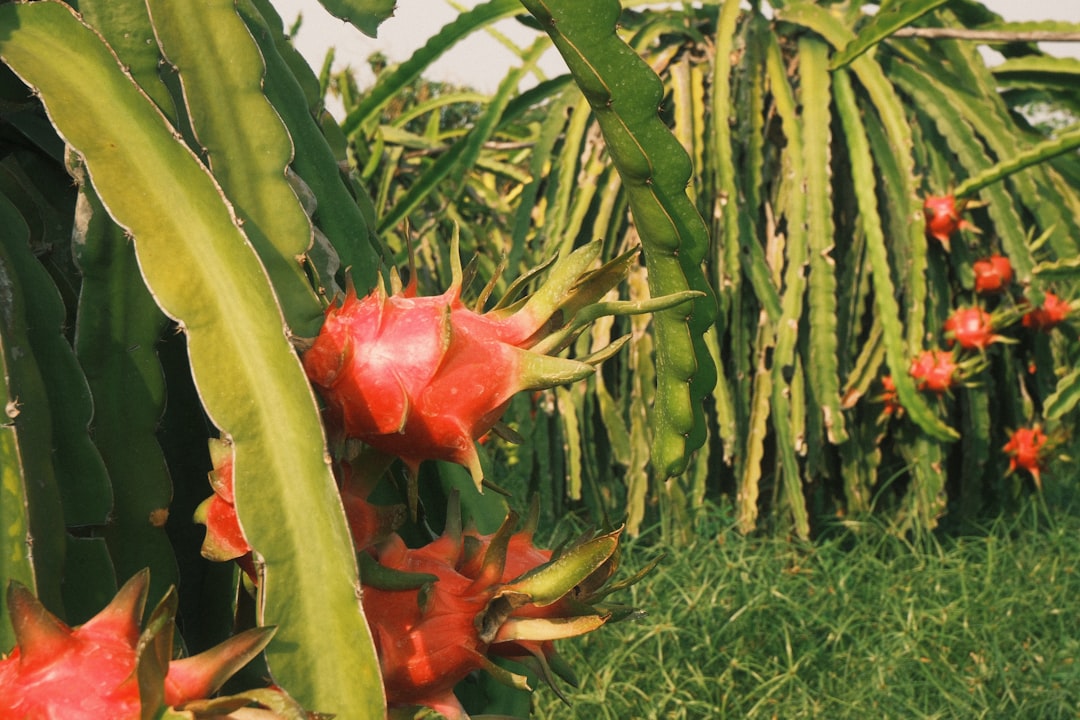
Pitaya or pitahaya, also known as dragon fruit, is the fruit of several species of cactus native to southern Mexico and the Pacific coasts of Guatemala, Costa Rica, and El Salvador. Pitaya is cultivated in East Asia, South Asia, Southeast Asia, continental America, the Caribbean, Australia, Brazil, Madeira (Portugal), and throughout tropical and subtropical regions of the world.
Where it grows
Note · FAO 'Other tropical fruits'
Source: FAO STAT — Crops and Livestock Products, 2024
Things worth knowing
- 01
Dragon fruit, also called pitaya, is the vibrant fruit of several cactus species found originally in Mexico and Central America.
- 02
Despite its tropical appearance, this cactus fruit is now widely cultivated across Asia, the Americas, and even parts of Europe.
- 03
China is the leading global producer of dragon fruit, contributing significantly to the immense world production of 23.9 million tonnes.
- 04
This exotic fruit, weighing in at only 19 calories per 100 grams, offers a light and refreshing taste experience.
- 05
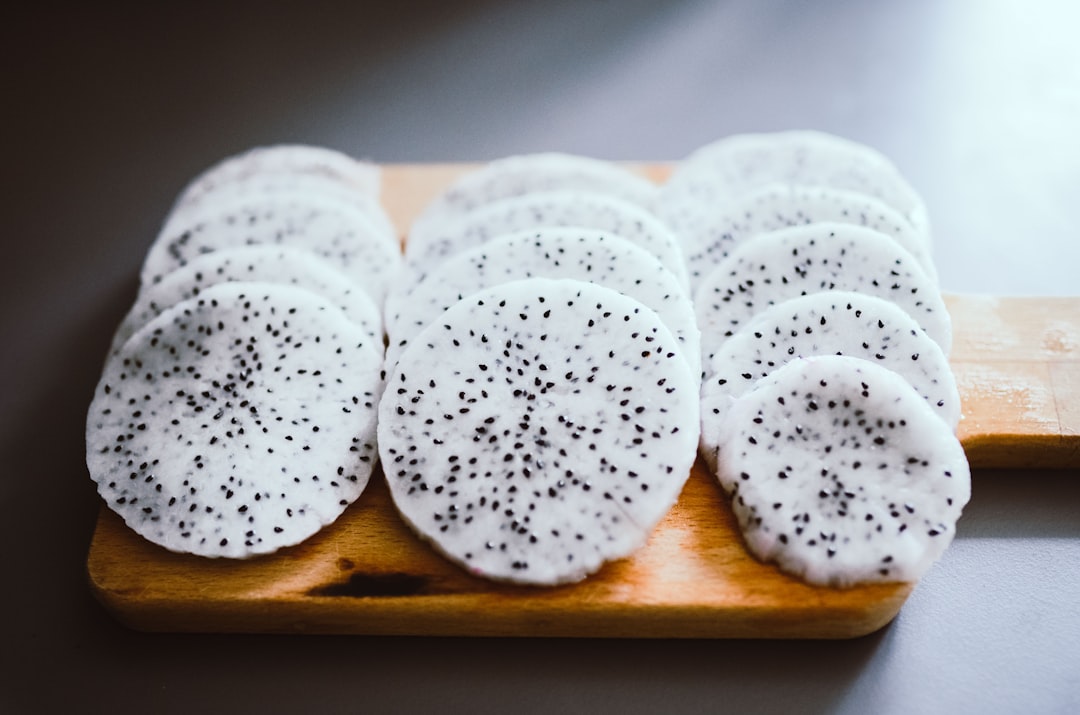
Dragon fruit boasts a unique texture with tiny, edible black seeds scattered throughout its flesh, adding a delightful crunch.
Health & nutrition
- Dragon fruit is a source of dietary fiber, which may support healthy digestion and contribute to a feeling of fullness.
- This fruit provides vitamin C, an antioxidant that may help protect cells from damage and support immune function.
- It contains potassium, an essential mineral that plays a role in maintaining fluid balance and supporting normal blood pressure.
- The presence of antioxidants in dragon fruit may contribute to overall well-being as part of a balanced diet.
- As a low-calorie food, dragon fruit can be a nutritious addition to a healthy eating plan for those mindful of energy intake.
Informational only · not medical advice
Culinary uses
Dragon fruit's striking appearance and mild, subtly sweet flavor make it a versatile ingredient globally. It is often eaten fresh, with the flesh scooped out of its leathery skin, and can be added to fruit salads, smoothies, and desserts. In East and Southeast Asia, it is frequently used in drinks, sorbets, and as a decorative element for cakes and pastries, showcasing its exotic appeal.