Olive
Olea europaea
- Energy
- 69kcal
- Native
- —
- Top Producer
- ESP
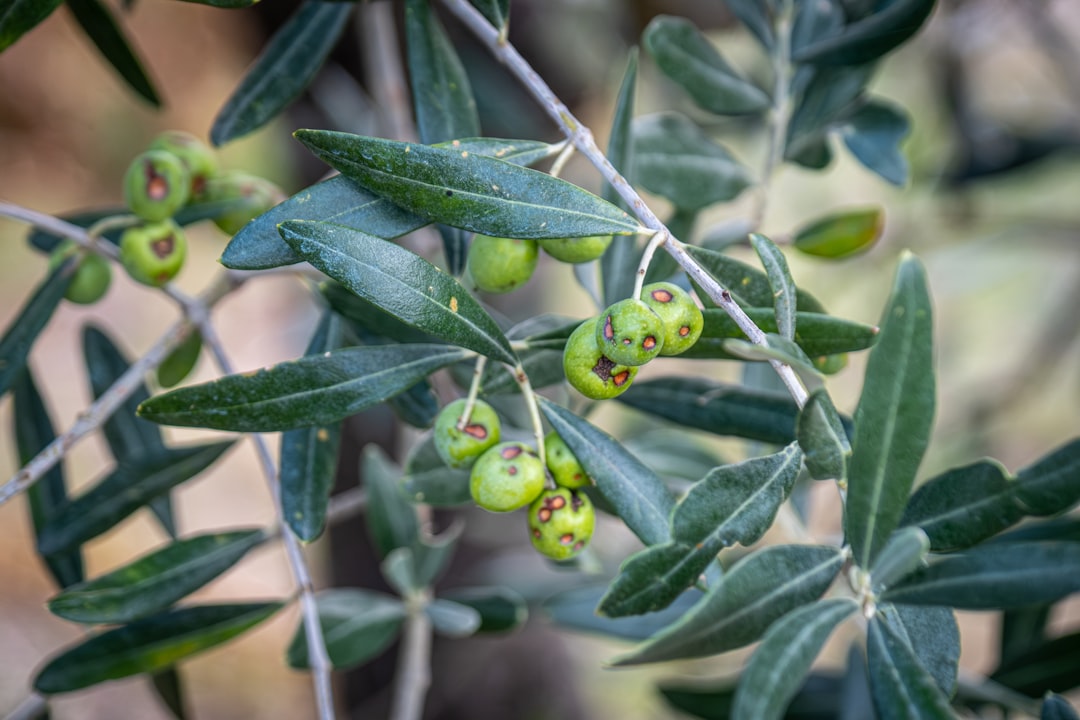
Photo: Sue Winston · Unsplash License
Where it comes from
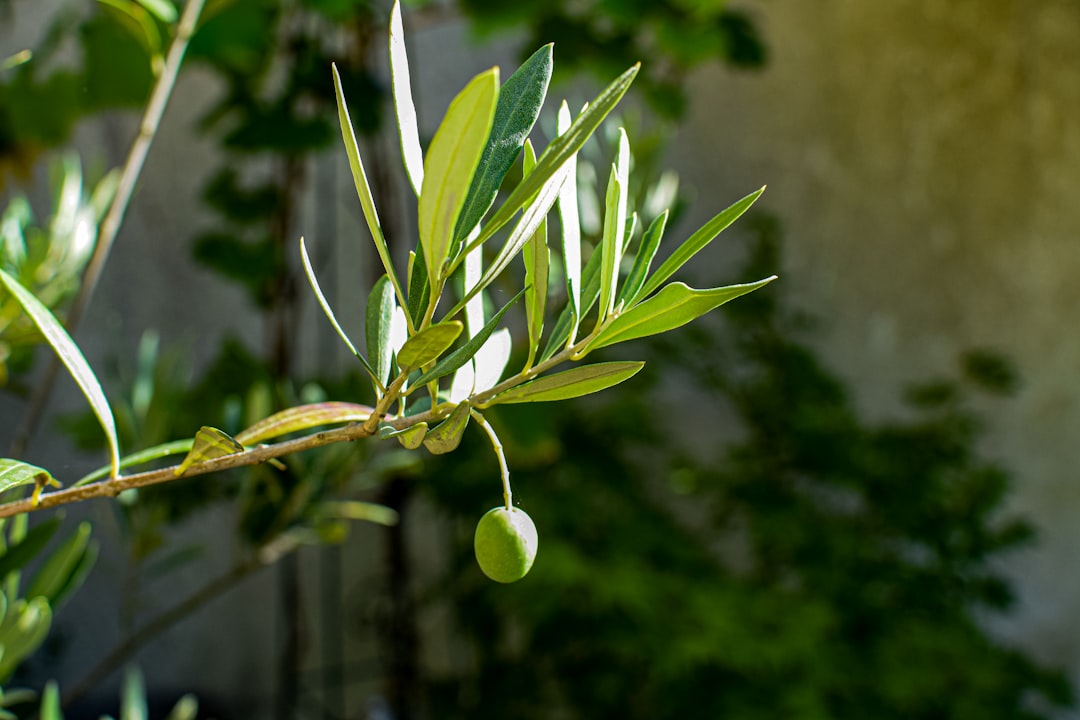
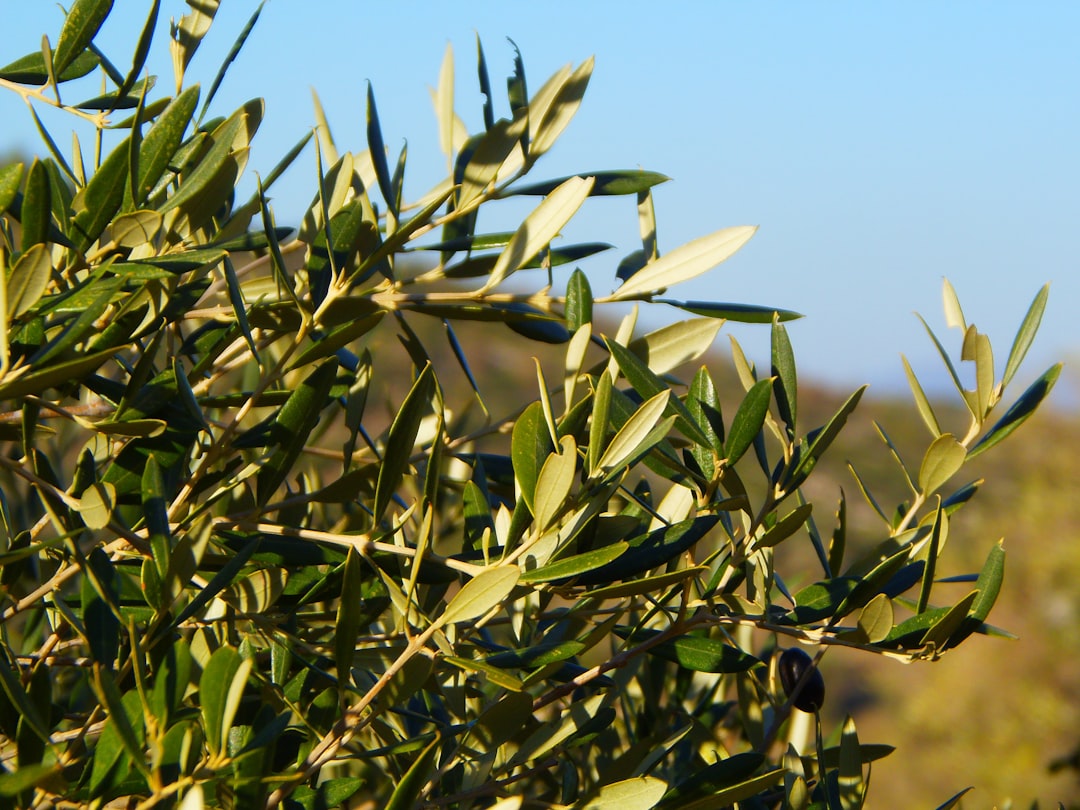
The olive is a species of subtropical evergreen tree in the family Oleaceae. Originating in Asia Minor, it is abundant throughout the Mediterranean Basin, with wild subspecies in Africa and western Asia; modern cultivars are traced primarily to the Near East, Aegean Sea, and Strait of Gibraltar. The olive is the type species for its genus, Olea, and lends its name to the Oleaceae plant family, which includes lilac, jasmine, forsythia, and ash. The olive fruit is classed botanically as a drupe, similar in structure and function to the cherry or peach. The term oil was originally synonymous with olive oil, the liquid fat derived from olives.
Where it grows
Source: FAO STAT — Crops and Livestock Products, 2024
Things worth knowing
- 01
The olive tree, scientifically known as Olea europaea, is a subtropical evergreen species belonging to the Oleaceae family.
- 02
While its precise native region is unknown, wild subspecies of the olive tree can be found across Africa and western Asia.
- 03
Modern olive cultivars are believed to have originated primarily from the Near East, the Aegean Sea, and the Strait of Gibraltar.
- 04
Spain is currently the top global producer of olives, contributing significantly to the world's annual production of 22.9 million tonnes.
- 05
Olives are a good source of dietary fiber, offering 5.30 grams per 100 grams, and contain 8.55 grams of sugar per 100 grams.
Health & nutrition
- Olives are a source of Vitamin C, which may support immune function.
- They provide potassium, an important mineral that may play a role in maintaining healthy blood pressure.
- The fiber content in olives may support digestive health.
- As a plant-based food, olives contribute to a balanced diet.
- Consuming olives as part of a varied diet may offer nutritional benefits.
Informational only · not medical advice
Culinary uses
Olives are a cornerstone of Mediterranean cuisine, enjoyed globally in salads, as appetizers, and in sauces. They are often cured and brined, with distinct regional preparations varying from spicy to herbaceous. Beyond their direct consumption, olives are pressed to produce olive oil, a fundamental ingredient in countless dishes worldwide.