Mangosteen
Garcinia mangostana
- Energy
- 52kcal
- Native
- —
- Top Producer
- IND
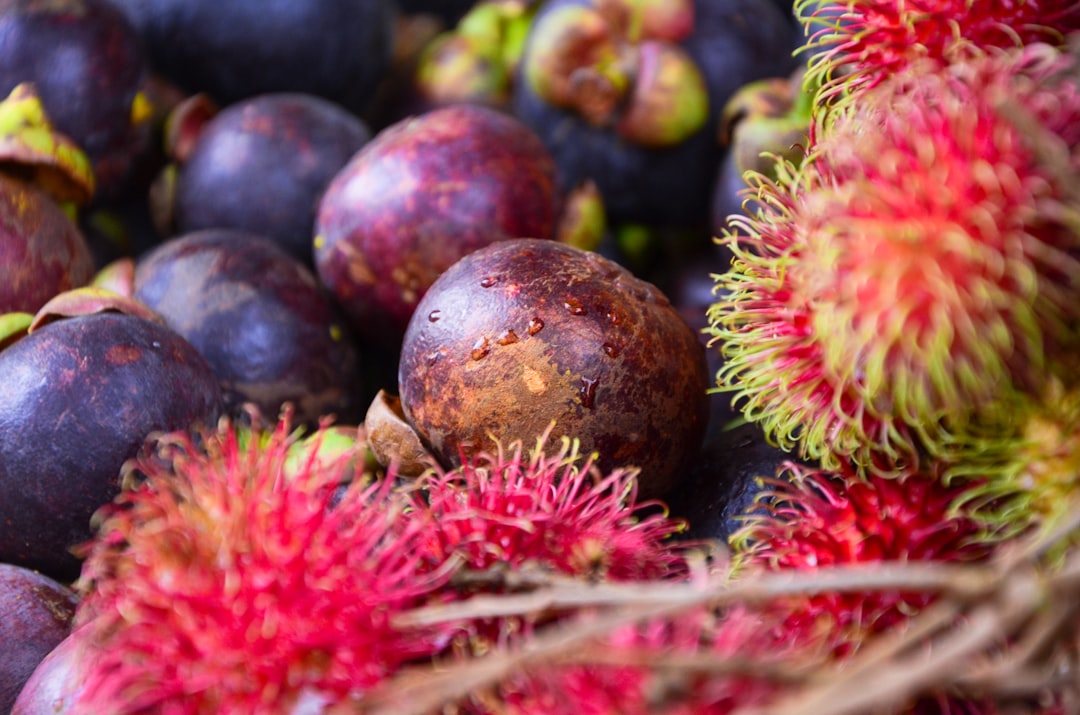
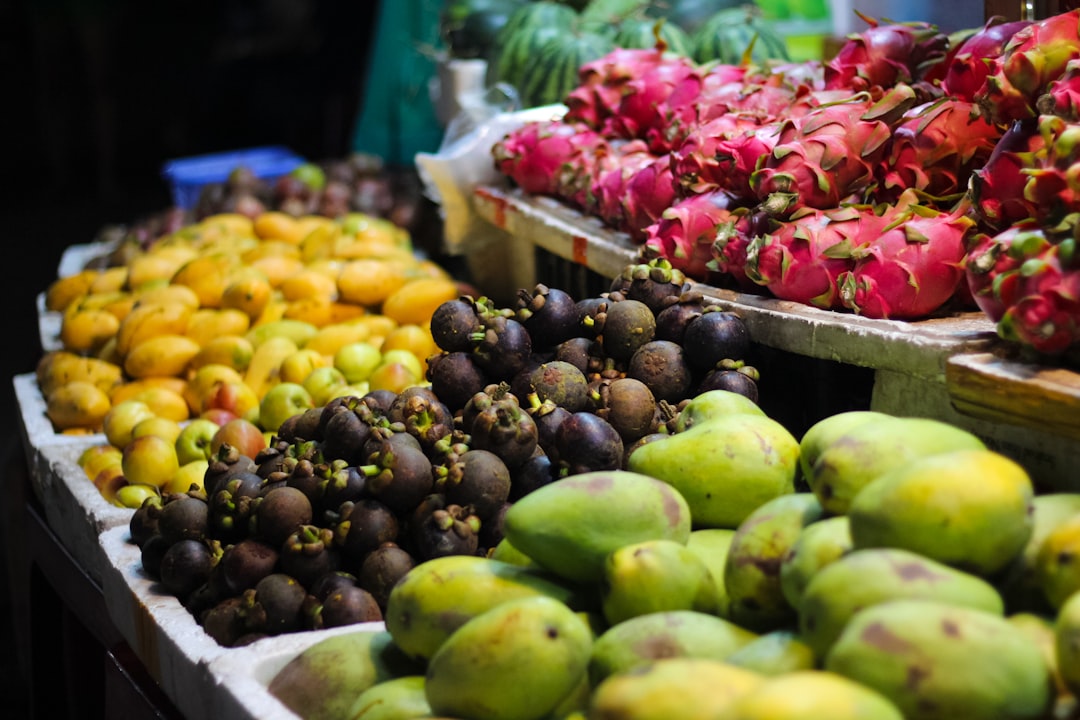
Photo: Theo Crazzolara · Unsplash License
Where it comes from
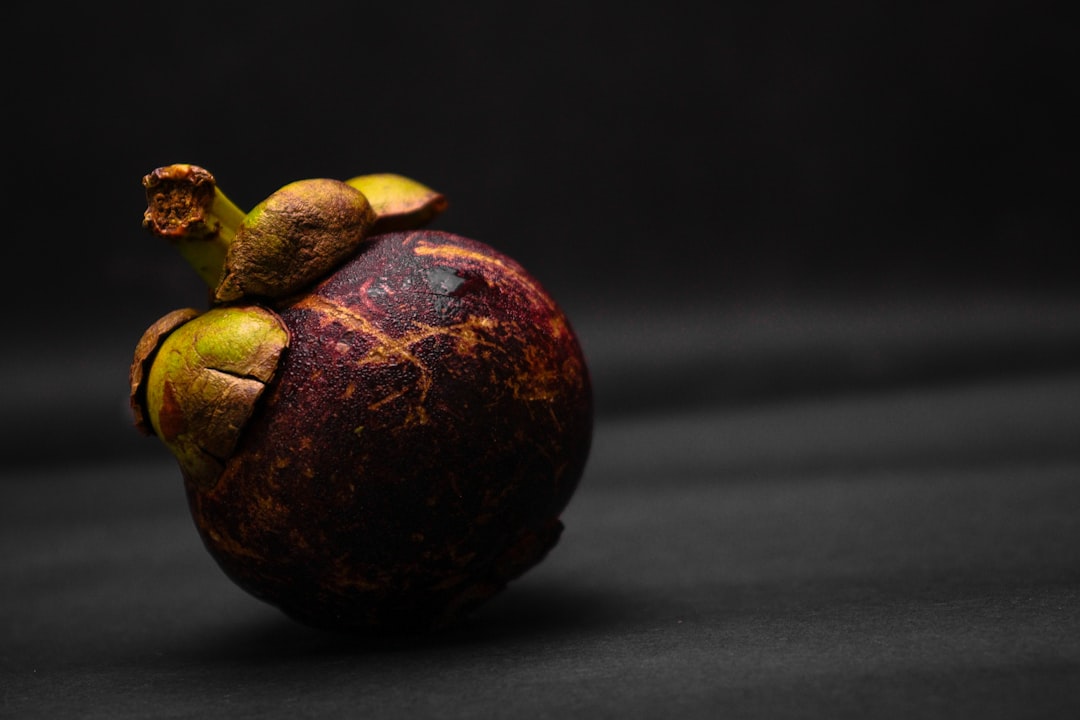
Mangosteen, sometimes rendered mangostan, and commonly known as the purple mangosteen, is a tropical evergreen tree with edible fruit native to the Malay Peninsula and Borneo. It has been cultivated extensively in tropical Asia since ancient times. It is grown mainly in Southeast Asia, southwest India and other tropical areas such as Colombia, Puerto Rico and Florida, where the tree has been introduced. The tree grows from 6 to 25 m tall.
Where it grows
Note · FAO bundles mango+guava+mangosteen
Source: FAO STAT — Crops and Livestock Products, 2024
Things worth knowing
- 01
The mangosteen, scientifically known as Garcinia mangostana, is a tropical evergreen tree bearing a delicious edible fruit.
- 02
Often called the 'queen of fruits,' this exotic fruit has been cultivated in tropical Asia for centuries.
- 03
While its exact native region remains unknown, it is widely grown across Southeast Asia and other tropical locales.
- 04
The world produces a substantial 62.2 million tonnes of mangosteen annually, with India being the top producer.
- 05
Each 100-gram serving of this delightful fruit offers approximately 52 calories and 1.87 grams of dietary fiber.
Health & nutrition
- Mangosteen is a source of Vitamin C, which may support immune function.
- The fruit contains dietary fiber, which may aid in digestive health.
- It provides potassium, an essential mineral that plays a role in bodily functions.
- Nutrients in mangosteen may contribute to overall well-being.
- This fruit offers a range of beneficial compounds found in tropical produce.
Informational only · not medical advice
Culinary uses
The sweet and tangy flavor of the mangosteen makes it a prized fruit in Southeast Asian cuisine, often enjoyed fresh. Its delicate taste also lends itself to desserts, juices, and jams. In some regions, it is incorporated into savory dishes, adding a unique tropical note to the palate.