Nectarine
Prunus persica nucipersica
- Energy
- 39kcal
- Native
- —
- Top Producer
- CHN
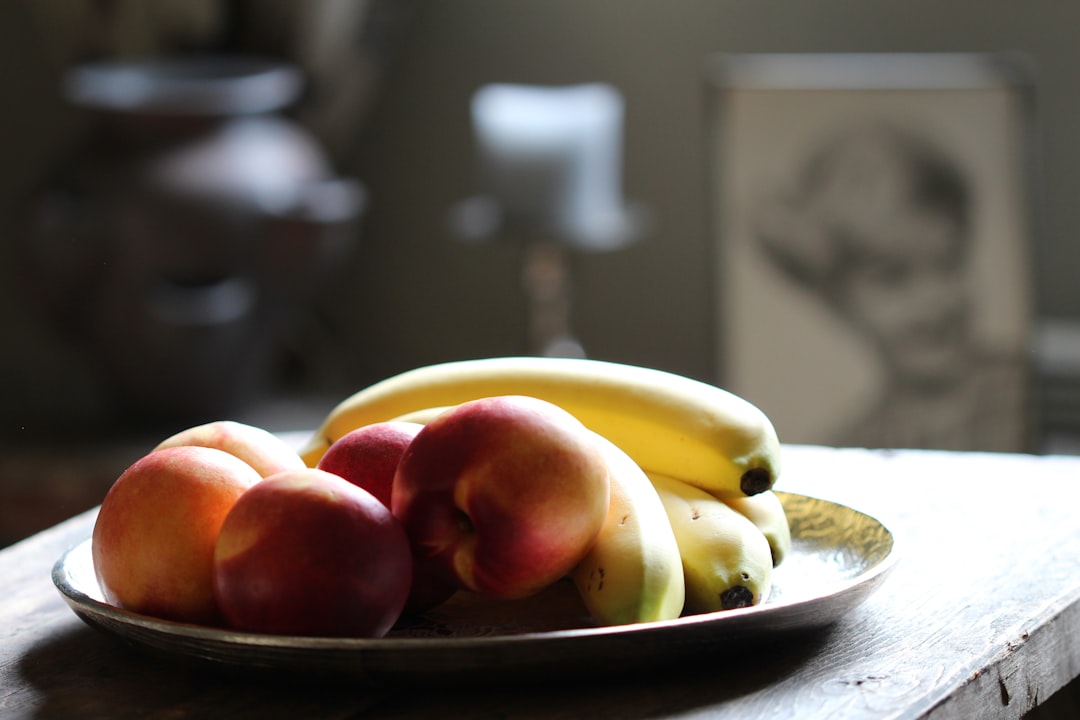
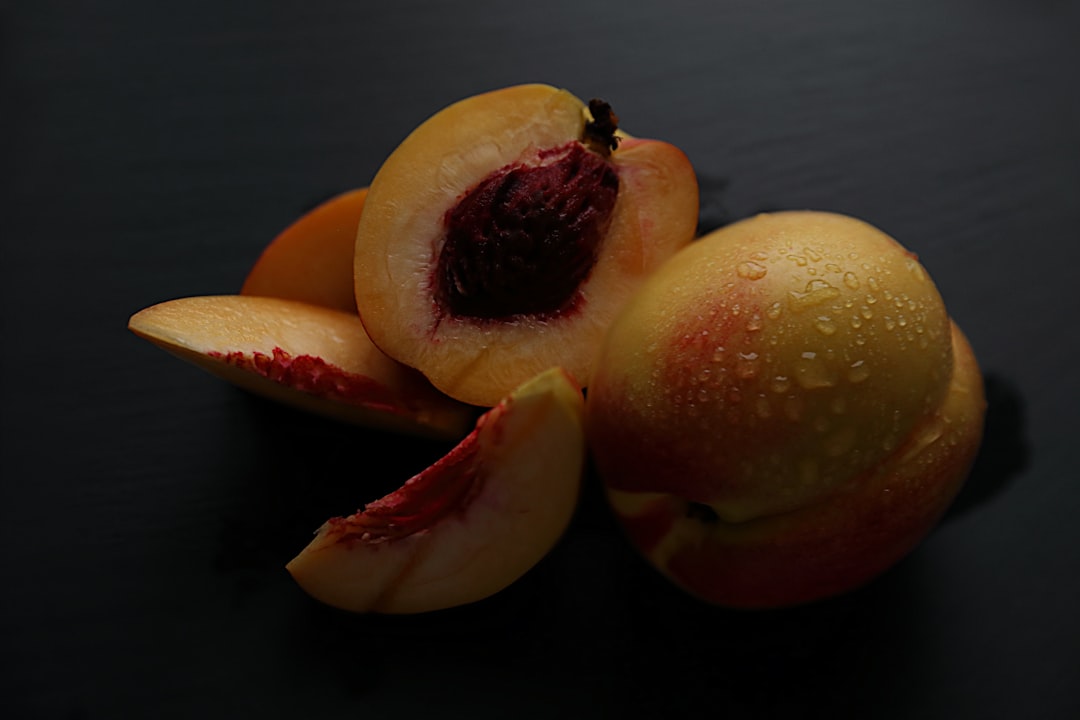
Photo: Anne Nygård · Unsplash License
Where it comes from
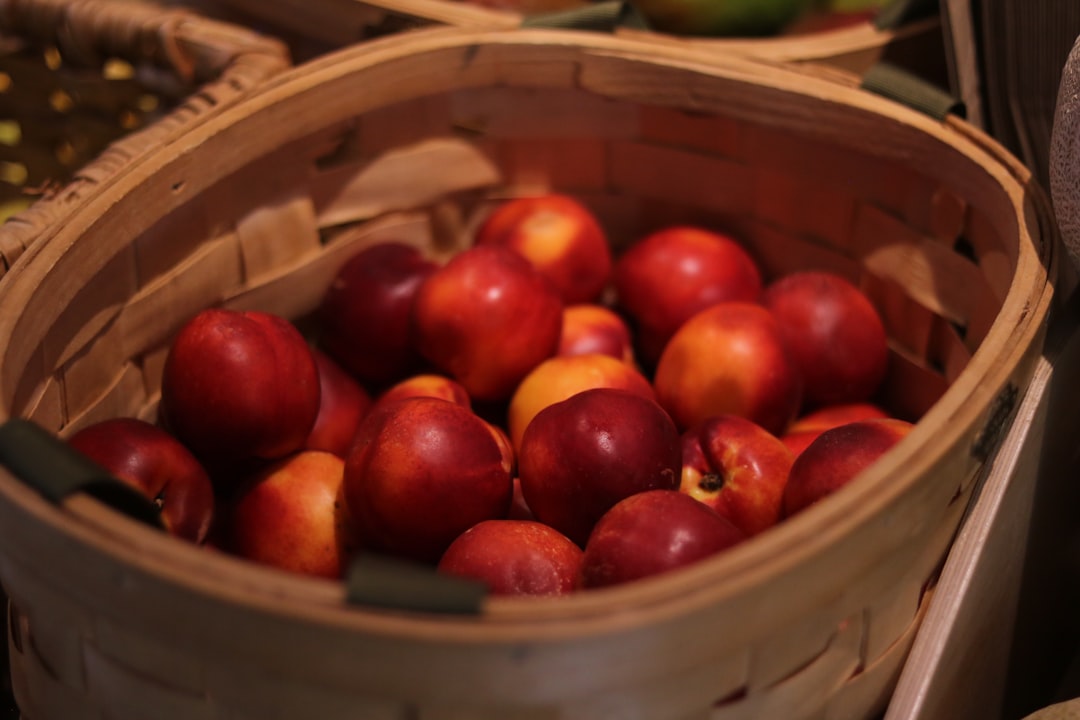
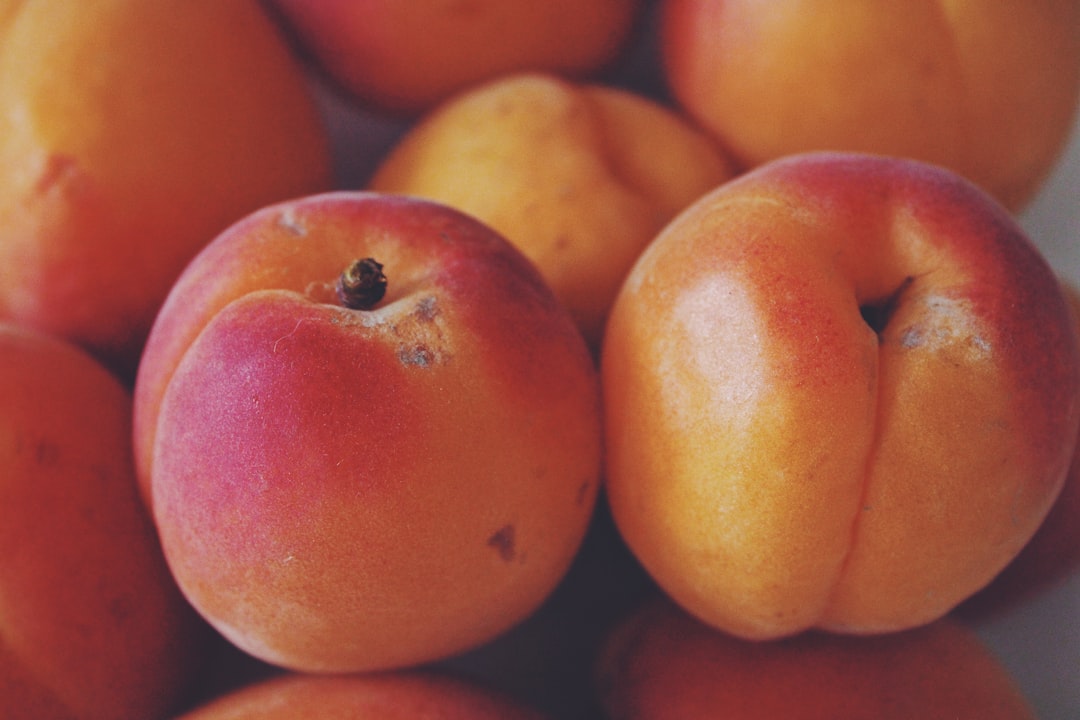
The peach is a deciduous tree that bears edible juicy fruits with various characteristics. Most are simply called peaches, while the glossy-skinned, non-fuzzy varieties are called nectarines. Though from the same species, they are regarded commercially as different fruits.
Where it grows
Note · FAO bundles peaches+nectarines
Source: FAO STAT — Crops and Livestock Products, 2024
Things worth knowing
- 01
Nectarines, scientifically known as Prunus persica nucipersica, are a fascinating variety of peach.
- 02
Despite their differences, nectarines and peaches originate from the same species, sharing a close botanical relationship.
- 03
The most striking distinction between nectarines and peaches lies in their skin: nectarines boast a smooth, glossy surface.
- 04
While their exact native region remains a mystery, nectarines are now cultivated worldwide.
- 05
China is the leading global producer of nectarines, contributing significantly to the world's 27.9 million tonnes annual harvest.
Health & nutrition
- Nectarines are a source of dietary fiber, which may support digestive health.
- These fruits provide vitamin C, an antioxidant that is important for immune function.
- The potassium content in nectarines may help to maintain healthy blood pressure levels.
- As a low-calorie fruit, nectarines can be a nutritious addition to a balanced diet.
- The natural sugars in nectarines offer a readily available source of energy.
Informational only · not medical advice
Culinary uses
Nectarines are enjoyed globally in a variety of ways. Their juicy sweetness makes them a popular choice for fresh eating, perfect in fruit salads or as a simple snack. In many regions, they are baked into pies, tarts, and crumbles, or grilled to enhance their flavor. Nectarines also lend themselves well to savory dishes, often paired with pork or chicken, and can be pureed into sauces or smoothies.