Papaya
Carica papaya
- Energy
- 43kcal
- Native
- —
- Top Producer
- IND
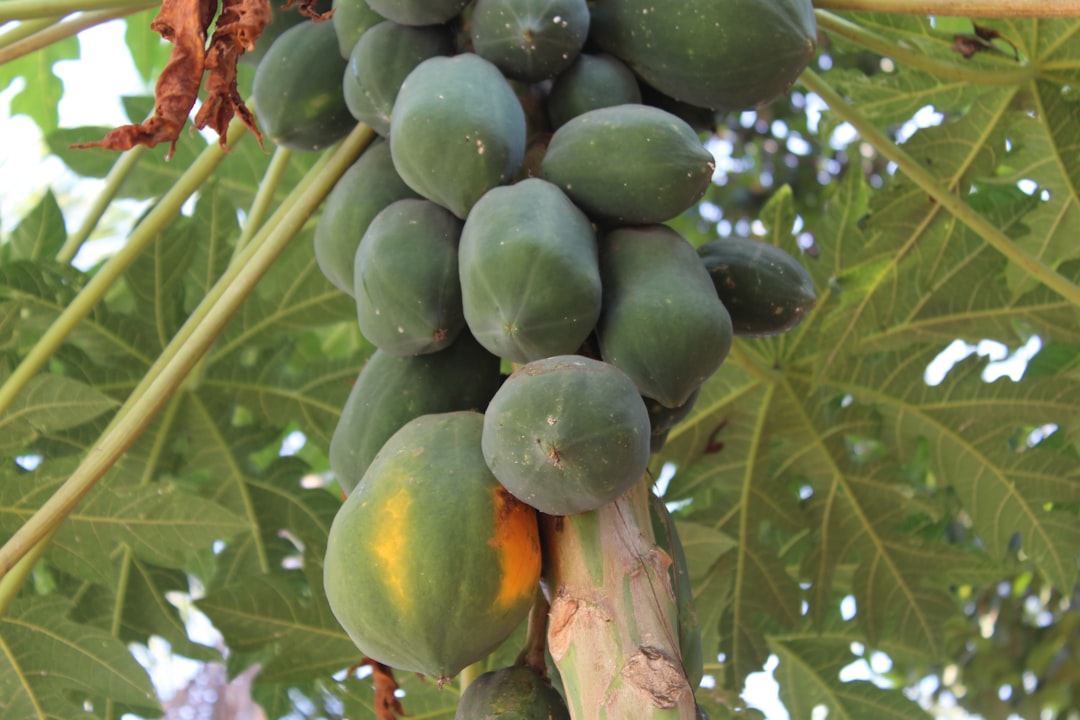
Photo: Dipu Chandran · Unsplash License
Where it comes from
The papaya, papaw, or pawpaw is the plant species Carica papaya, one of the 21 accepted species in the genus Carica of the family Caricaceae. Papaya is also the name of its fruit. It was first domesticated in Mesoamerica, within modern-day southern Mexico and Central America. It is grown in several countries in regions with a tropical climate. In 2024, India was the leading producer, accounting for 36% of the world total.
Where it grows
Source: FAO STAT — Crops and Livestock Products, 2024
Things worth knowing
- 01
The papaya, also known as papaw or pawpaw, is a tropical fruit from the species Carica papaya.
- 02
This fruit was first domesticated in the Mesoamerican region, spanning southern Mexico and Central America.
- 03
India (IND) is currently the top producer of papayas globally, according to FAO data.
- 04
The world produces a significant amount of papaya, reaching approximately 14.7 million tonnes annually.
- 05
Papayas are cultivated in numerous countries located in tropical climate zones around the world.
Health & nutrition
- Papaya is a good source of Vitamin C, which may support the immune system.
- This fruit contains dietary fiber, which may aid in digestive health.
- The potassium content in papaya may contribute to maintaining healthy blood pressure levels.
- Papaya provides a moderate amount of calories, offering energy for daily activities.
- The natural sugars in papaya can provide a source of quick energy.
Informational only · not medical advice
Culinary uses
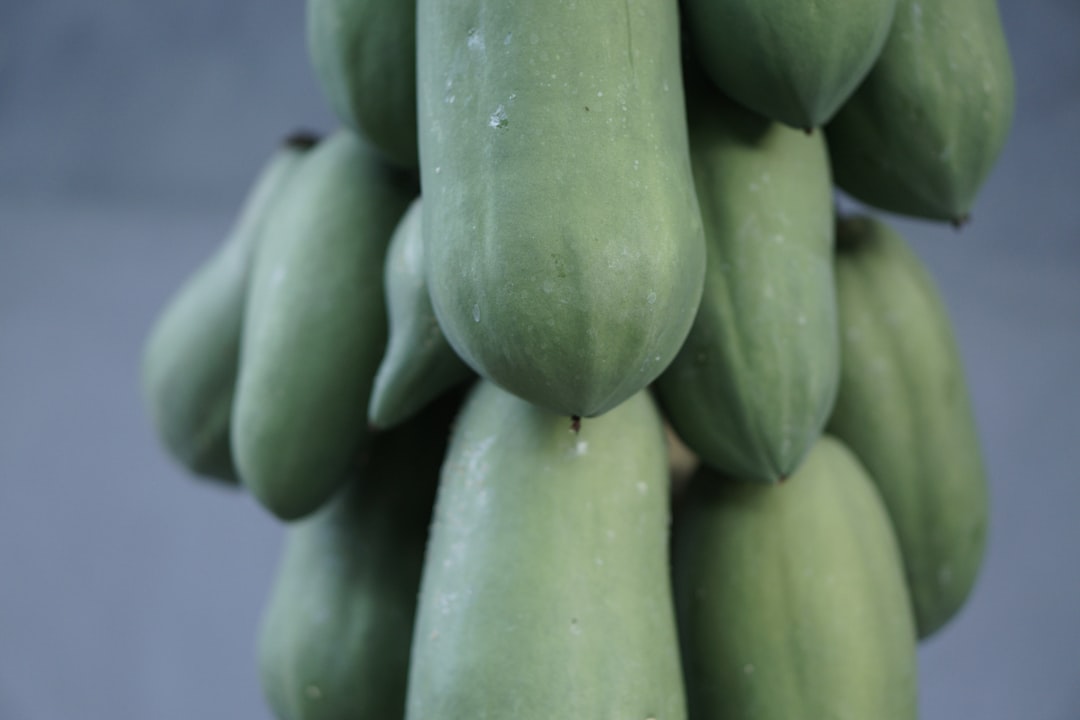
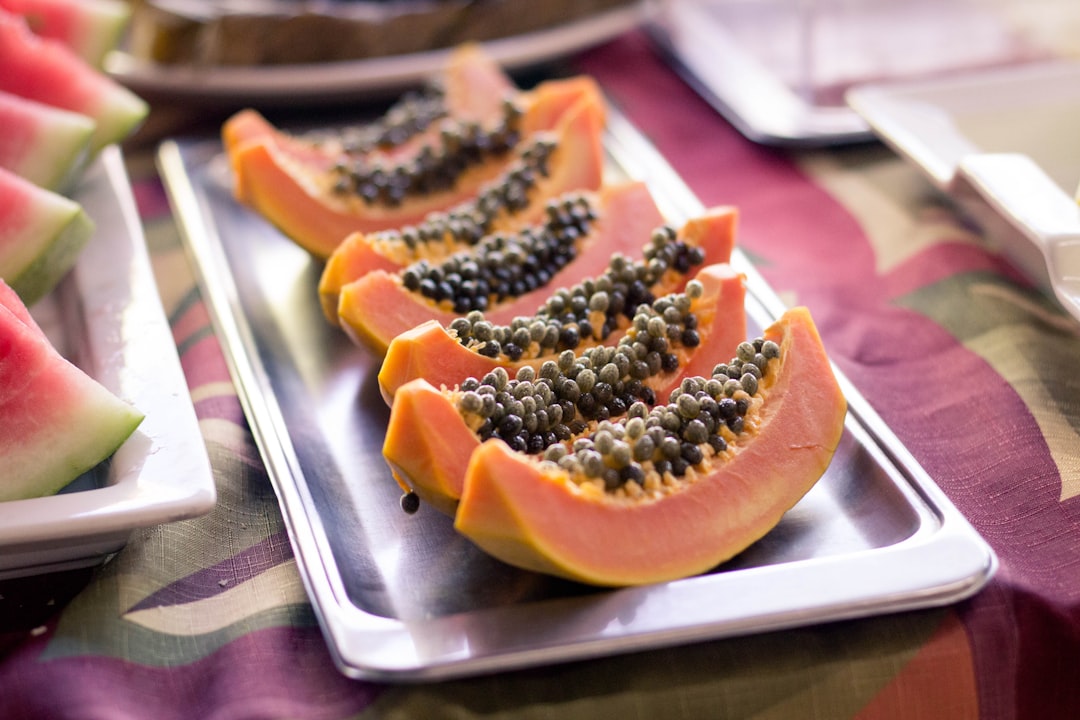
Papaya is enjoyed worldwide, both raw and cooked. In many tropical regions, it's a breakfast staple, often served with lime. Unripe papayas are used in savory dishes like salads and curries, particularly in Southeast Asian cuisines. Ripe papayas are a popular dessert fruit, sometimes blended into smoothies or enjoyed on their own.