Pineapple
Ananas comosus
- Energy
- 43kcal
- Native
- —
- Top Producer
- CRI
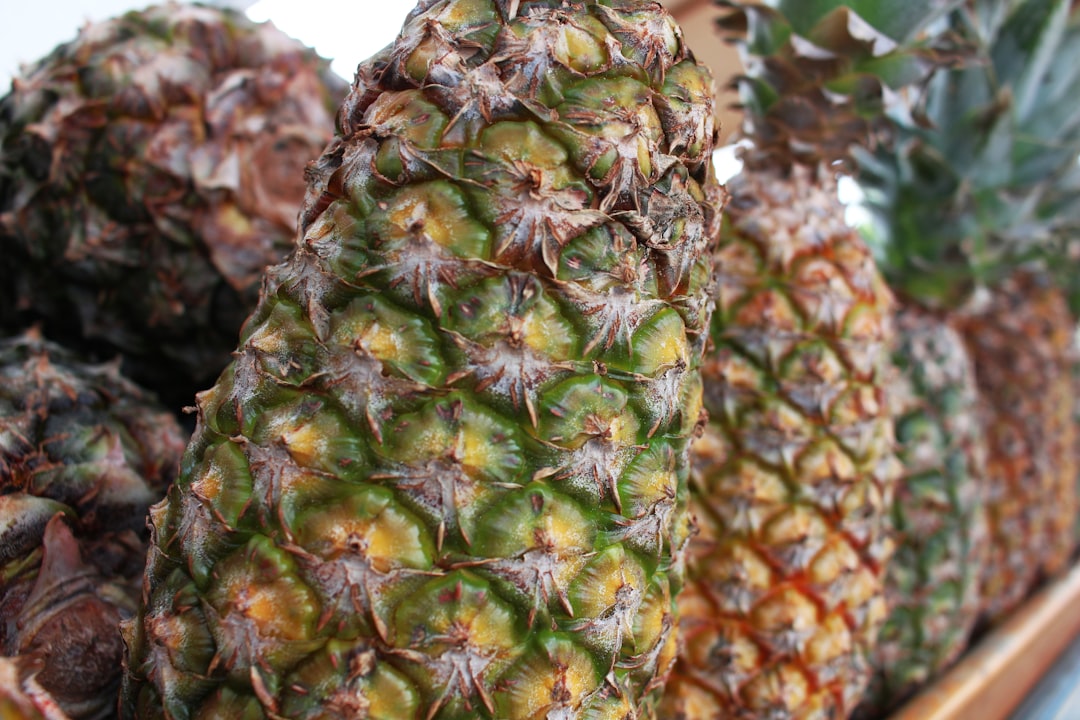
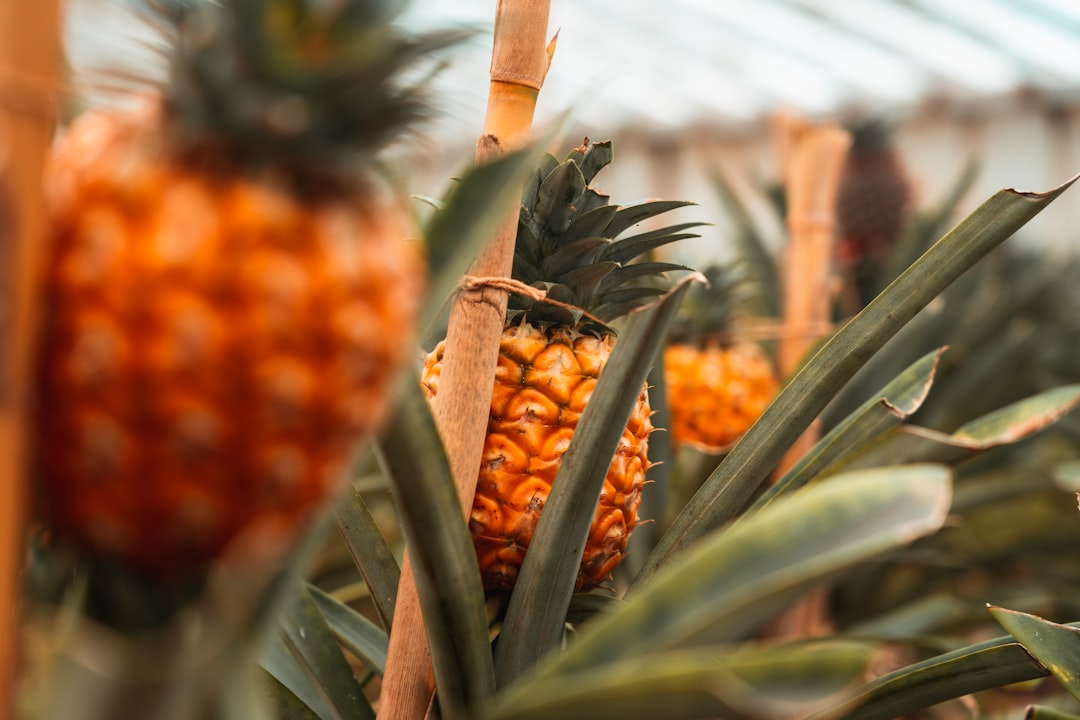
Photo: Daniel Dan · Unsplash License
Where it comes from
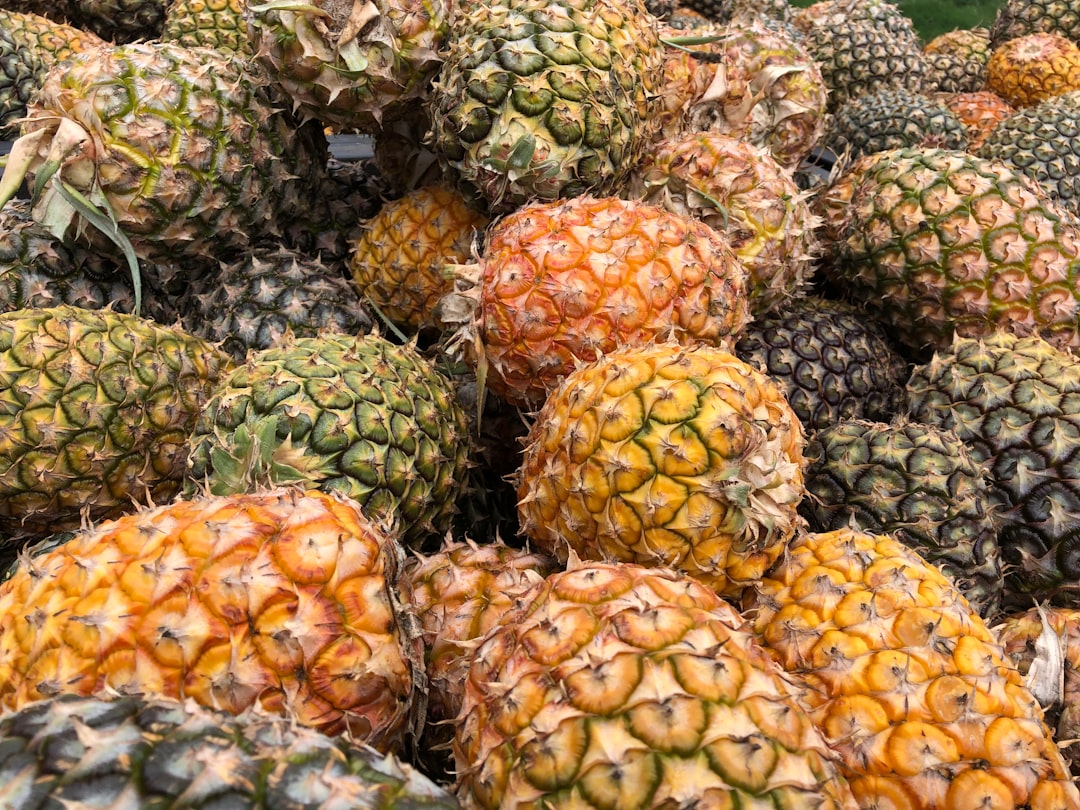
The pineapple is a tropical plant with an edible fruit; it is the most economically significant plant in the family Bromeliaceae.
Where it grows
Source: FAO STAT — Crops and Livestock Products, 2024
Things worth knowing
- 01
The pineapple, scientifically known as Ananas comosus, is the most economically significant member of the Bromeliaceae plant family.
- 02
While its exact native region remains unknown, this tropical plant is cherished worldwide for its delicious and distinctive fruit.
- 03
Globally, approximately 29.3 million tonnes of pineapple are produced each year, highlighting its widespread cultivation.
- 04
Costa Rica, known as CRI in production statistics, is currently the top producer of this popular tropical fruit.
- 05
A 100-gram serving of pineapple contains about 43 kilocalories, making it a relatively low-calorie treat.
Health & nutrition
- Pineapple is a good source of dietary fiber, which may support healthy digestion.
- It is an excellent source of Vitamin C, an antioxidant that may help protect cells from damage.
- The fruit contains potassium, a mineral that plays a role in maintaining fluid balance.
- Bromelain, an enzyme found in pineapple, may offer anti-inflammatory properties.
- Its natural sugars provide a quick source of energy for the body.
Informational only · not medical advice
Culinary uses
Pineapple is a versatile fruit enjoyed globally in sweet and savory dishes. It is commonly used in tropical desserts, fruit salads, and beverages. Regionally, it's a key ingredient in dishes like Hawaiian pizza, Caribbean stews, and Southeast Asian curries, showcasing its adaptability in various cuisines.